

GMP & Pharmaceutical Manufacturing Expert
✓ Reviewed by: Pankaj Sharma - Quality Control Specialist
Reviewed for Quality Control accuracy, laboratory practices, analytical methods, and technical relevance
📅 Last Updated: October 19, 2026
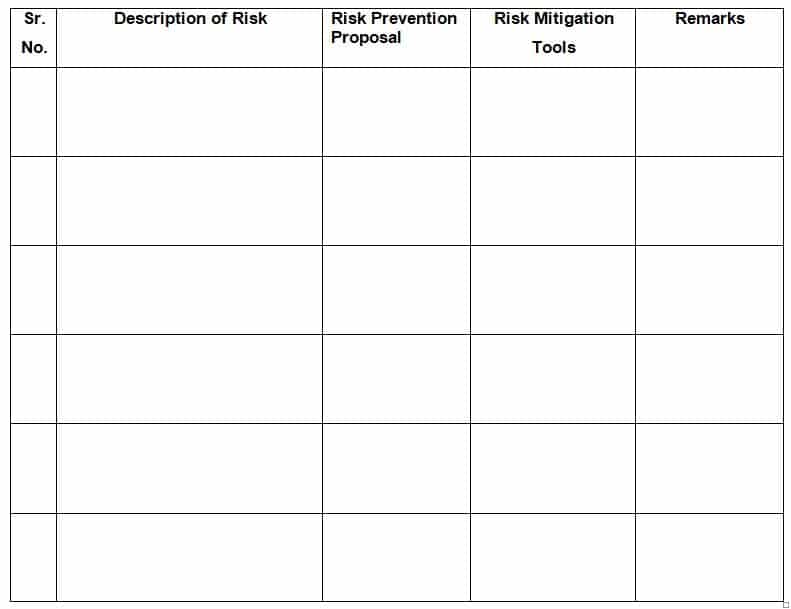
A risk assessment protocol in pharmaceuticals is a document used for risk assessment of product quality from hazards and critical points. Its objective is to assess the risk associated with product quality. It evaluates the risk priority number (RPN). It also identifies risk prevention steps and risk mitigation tools.
| 1.0 | PROTOCOL APPROVAL: |
The following persons review and approve this risk assessment protocol:
| FUNCTION | NAME | DEPARTMENT | SIGNATURE | DATE |
| PREPARED BY | QUALITY ASSURANCE | |||
| REVIEWED BY | PRODUCTION | |||
| REVIEWED BY | QUALITY CONTROL | |||
| REVIEWED BY | PROJECTS / ENGINEERING | |||
| APPROVED BY | QUALITY ASSURANCE |
| SERIAL NO. | ITEM DESCRIPTION |
| 1.0 | PROTOCOL APPROVAL |
| 2.0 | OVERVIEW: |
| 2.1 | Objective |
| 2.2 | Purpose |
| 2.3 | Scope |
| 2.4 | Responsibility |
| 2.5 | Execution Team |
| 3.0 | GENERAL CONSIDERATION/PREREQUISITES |
| 4.0 | RISK ASSESSMENT CRITERIA |
| 5.0 | RISK ASSESSMENT PROCEDURE |
| 6.0 | ACCEPTANCE CRITERIA |
| 7.0 | UNIT OPERATION REVIEW |
| 8.0 | FEMA TABLE |
| 9.0 | RISK IDENTIFICATION SUMMARY |
| 10.0 | RISK MITIGATING TOOLS |
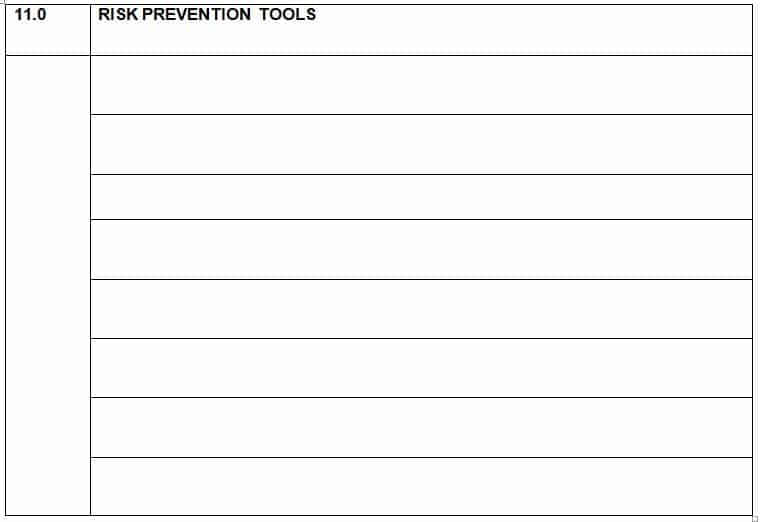
| 11.0 | RISK PREVENTION TOOLS |
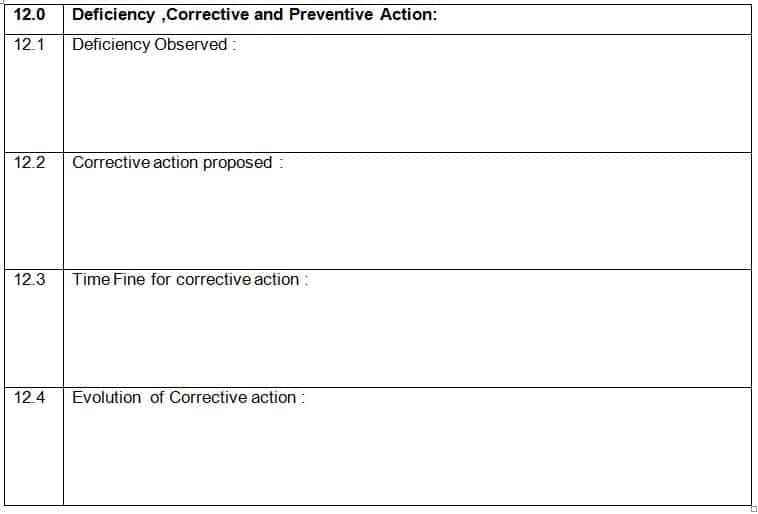
| 12.0 | DEFICIENCY, CORRECTIVE AND PREVENTIVE ACTION: |
| 13.0 | RISK EVOLUTION SUMMARY |
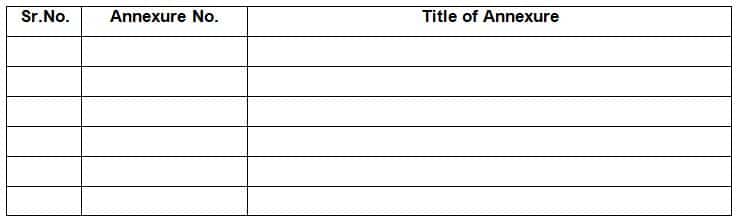
| 14.0 | ANNEXURE (S) |
| 15.0 | RISK ASSESSMENT FINAL REPORT |
| 15.1 | Summary |
| 15.2 | Conclusion |
| 15.3 | Final Report Approval |
| 16.0 | REFERENCES |
2.0 | OVERVIEW : |
| 2.1 | OBJECTIVE: |
| The objective of developing and executing this protocol is To access the Risk Associated with the Quality of the product with respect to hazards and critical point review. To evaluate the risk priority Number To identify the risk prevention steps. To identify the risk mitigation tools. | |
| 2.2 | PURPOSE: |
| The purpose of this protocol is to verify the actual risk associated with critical operations at Pharmaceutical manufacturing | |
| 2.3 | SCOPE |
| The protocol shall define the risks and determine critical operations. Based upon the initial risk assessment, risk prevention, and risk mitigation tools will be designed. | |
| 2.4 | RESPONSIBILITY: |
| The following functionaries are responsible to prepare the protocol and for Execution Quality assurance officer/Executive – For Preparation /Execution of Protocol Engineering Head – For execution support Production Head – For execution support Quality Control head – For execution support Quality Assurance Head – For adequacy of Protocol with Respect to regulatory requirement and final approval. |
| 2.5 | EXECUTION TEAM: |
| The execution team is responsible for the execution of risk assessments study it compresses of |
| DEPARTMENT | DESIGNATION | NAME | SIGNATURE | DATE |
| PROJECTS | ||||
| PRODUCTION | ||||
| QUALITY CONTROL | ||||
| QUALITY ASSURANCE |
| 3.0 | GENERAL CONSIDERATION/PREREQUISITES |
| 3.1 | All areas/equipment will be qualified against approved protocol. |
| 3.2 | All the deficiencies and discrepancies related to the area/equipment operation which affect the product quality and corrective action taken shall be recorded in the appropriate section of the protocol. |
4.0 | RISK ASSESSMENT CRITERIA: |
| Risk Assessment activity shall cover all the critical aspects of pharmaceutical quality including raw material management, dispensing, manufacturing, testing, and distribution processes throughout the lifecycle of drug substances, drug products. |
| 5.0 | RISK ASSESSMENT PROCEDURE |
| Risk=Severity ×Probability of Occurrence Risk assessment team will identify risk using unit operation review format. Based upon identified risk in unit operation review, risk evaluation will be done and risk priority number will be identified. Risk priority number will take into account severity of risk associated and probability of occurrence and take delectability. The risk team will evaluate risk prevention and risk mitigation tools. Management action plan with a timeline will be associated with sound judgment & hazards associated with the criticality of that hazard. Re-evaluation will be conducted based upon the timeline provided within the plan. |
| 6.0 | RISK ACCEPTANCE CRITERIA |
| 6.1 | It is a decision to accept risk. Risk acceptance can be a formal decision to accept the residual risk or it can be a passive decision in which residual risks are not specified. The acceptable level will depend on many parameters and will be decided on a case-by-case basis. |
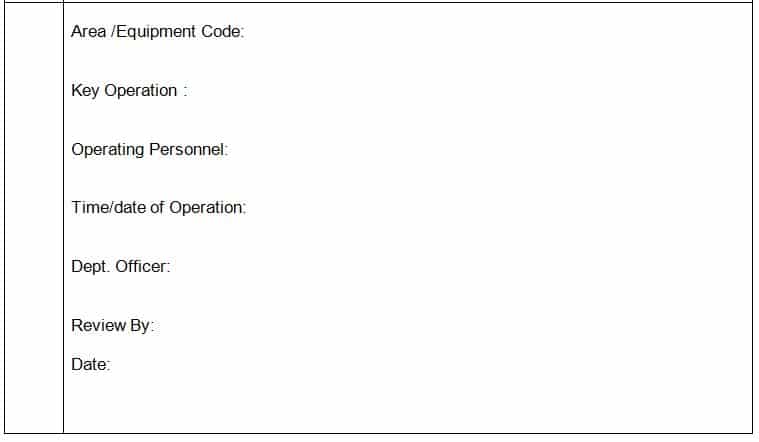
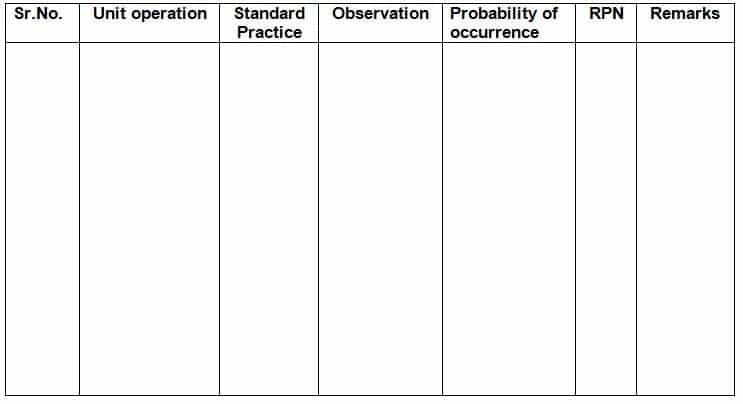
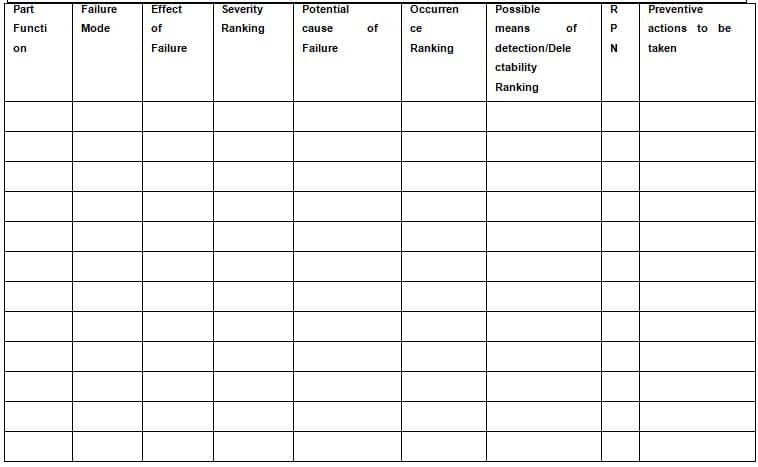

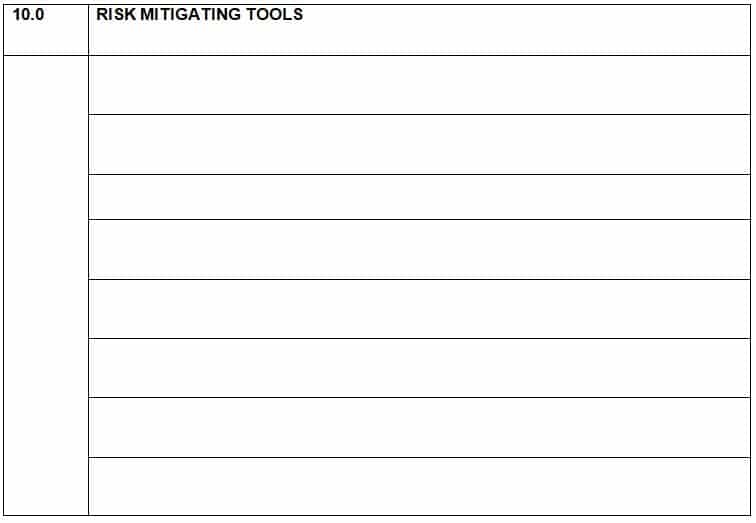
Sign and Date:
Sign and Date:
Sign and Date:
Sign and Date:
FAQs on risk assessment protocol in pharmaceuticals
These answers explain the objective of the protocol, what it evaluates and who approves it.
What is a risk assessment protocol in pharmaceuticals?
It is a document that sets out how the risk to product quality is assessed from hazards and critical points. It also covers the evaluation of the risk priority number. It identifies risk prevention steps and risk mitigation tools for the product.
What is the objective of a risk assessment protocol?
The objective is to assess the risk associated with the quality of the product with respect to hazards and a review of critical points. The protocol also evaluates the risk priority number. It then identifies the risk prevention steps and the risk mitigation tools.
What does a risk assessment protocol evaluate?
The protocol evaluates the risk priority number (RPN). This evaluation is part of the risk assessment of product quality. The same protocol also assesses the risk linked to hazards and critical points. It then identifies the risk prevention steps and the risk mitigation tools.
What does the protocol identify?
The protocol identifies two things. First, it identifies the risk prevention steps. Second, it identifies the risk mitigation tools. Both come after the assessment of the risk associated with product quality, with respect to hazards and a review of critical points, and after the evaluation of the risk priority number.
What risk does the protocol assess?
The protocol assesses the risk associated with the quality of the product. It does this with respect to hazards and a review of critical points. The assessment is the first objective of the protocol. The evaluation of the risk priority number, prevention steps and mitigation tools follow from it.
Who reviews and approves the protocol?
The persons listed in the approval section review and approve the protocol. Each person signs and dates it in the signature blocks that follow the approval line. The document therefore carries a signature and a date for every reviewer and approver named in it.

Naresh Bhakar is the Founder and Author at Pharmaguddu.com, bringing his extensive expertise in the field of pharmaceuticals to readers worldwide. He has experience in Pharma manufacturing and has worked with top Pharmaceuticals. He has rich knowledge and provides valuable insights and data through his articles and content on Pharmaguddu.com. For further inquiries or collaborations, please don’t hesitate to reach out via email at [email protected].