System Suitability in HPLC
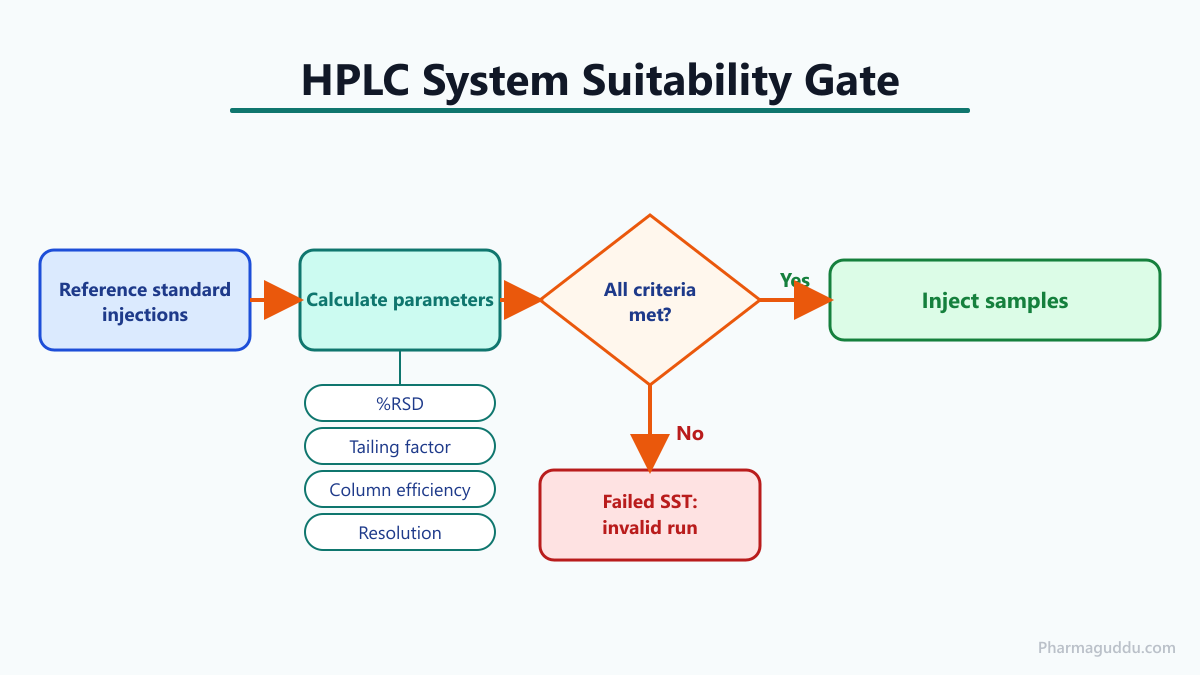
System suitability in HPLC shows, before each run, that the whole system gives valid results. Learn the parameters, a worked example and what to do when SST fails.

System suitability in HPLC shows, before each run, that the whole system gives valid results. Learn the parameters, a worked example and what to do when SST fails.
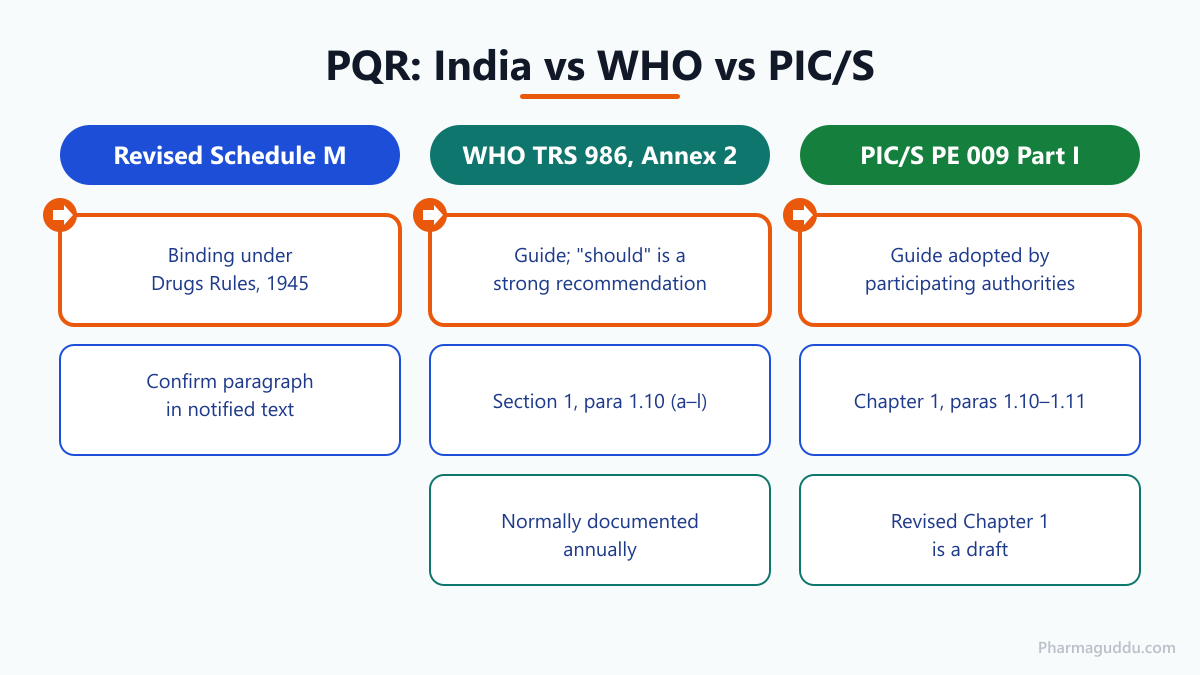
How PQR rules differ in revised Schedule M, WHO TRS 986 and PIC/S PE 009, and how to turn review conclusions into tracked CAPA actions.
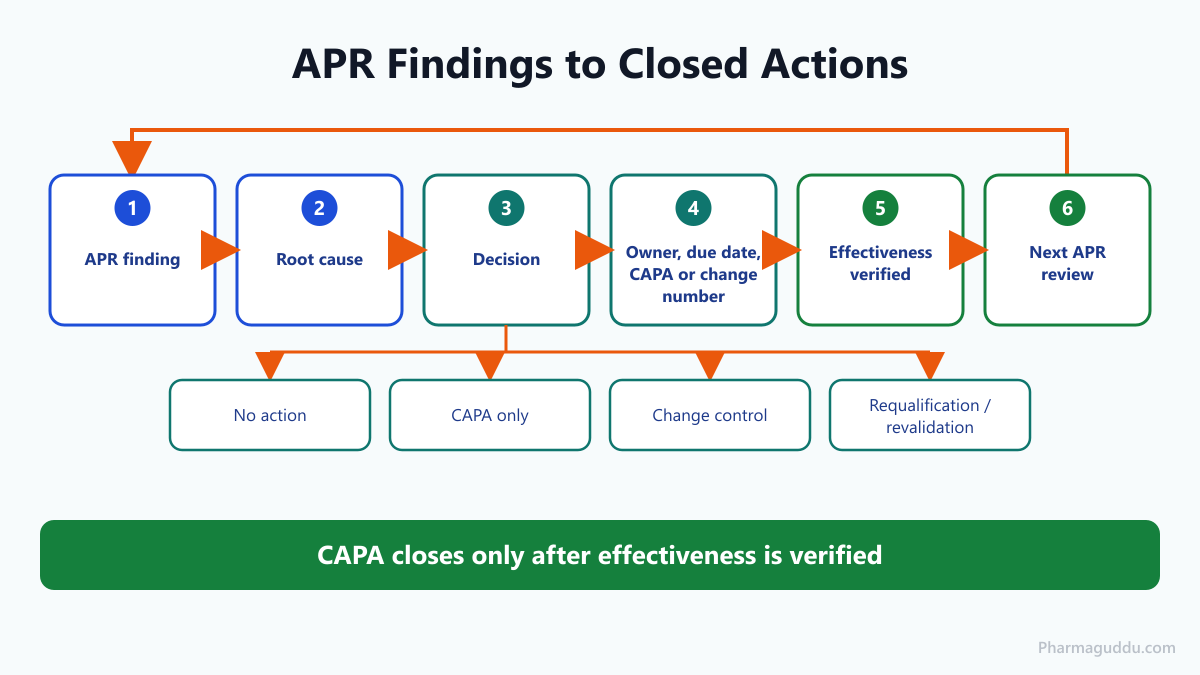
Turn each APR finding into a clear decision (no action, CAPA, change control or revalidation) and track every action to closure.
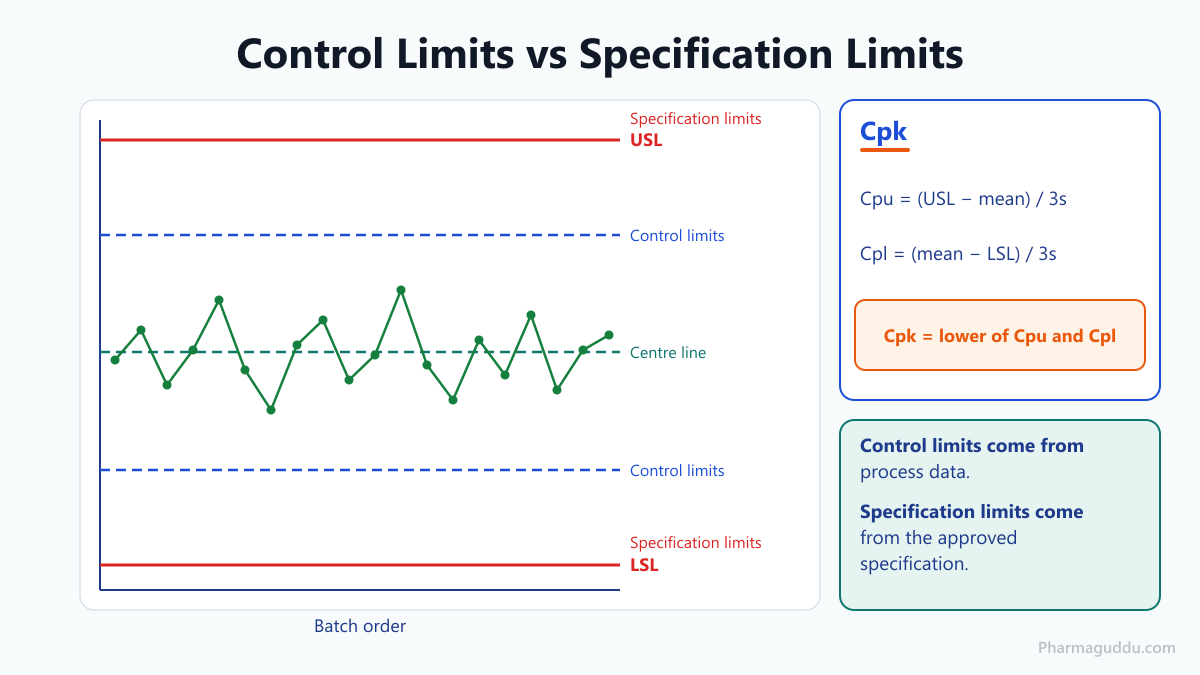
How to trend batch data in an APR: choose the control chart, check stability, calculate Cpk with a worked example and write a clear conclusion.
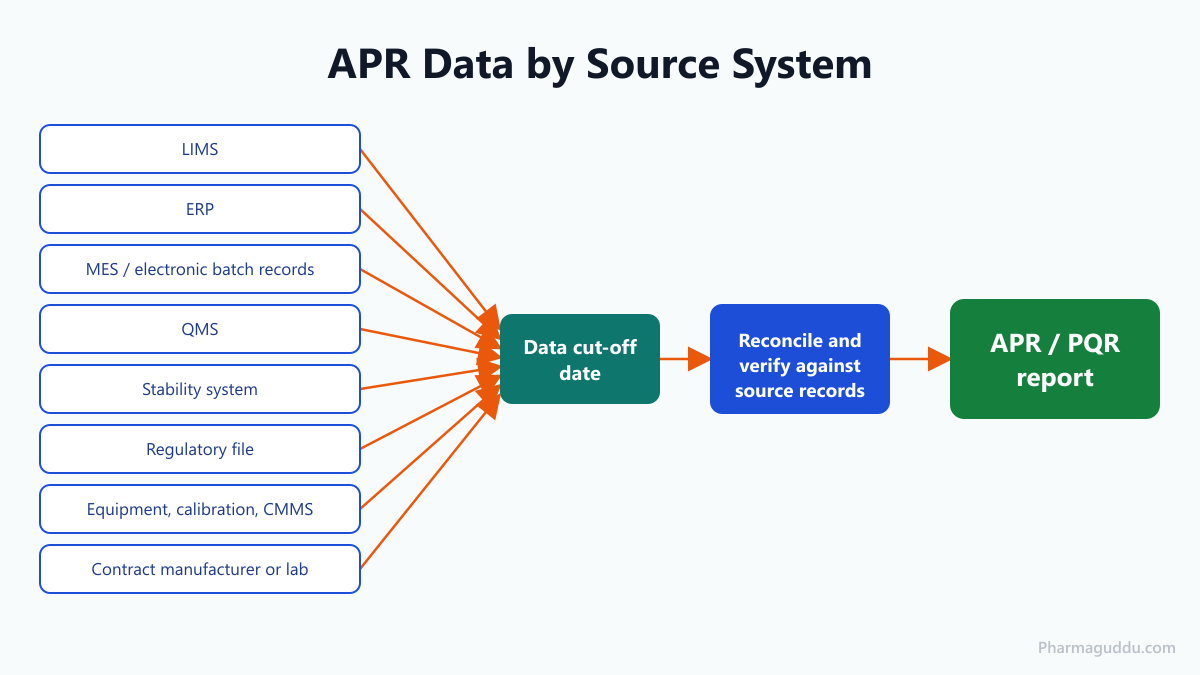
A practical APR data checklist by source system: what each system supplies, who owns it, and the check that proves the data are complete.
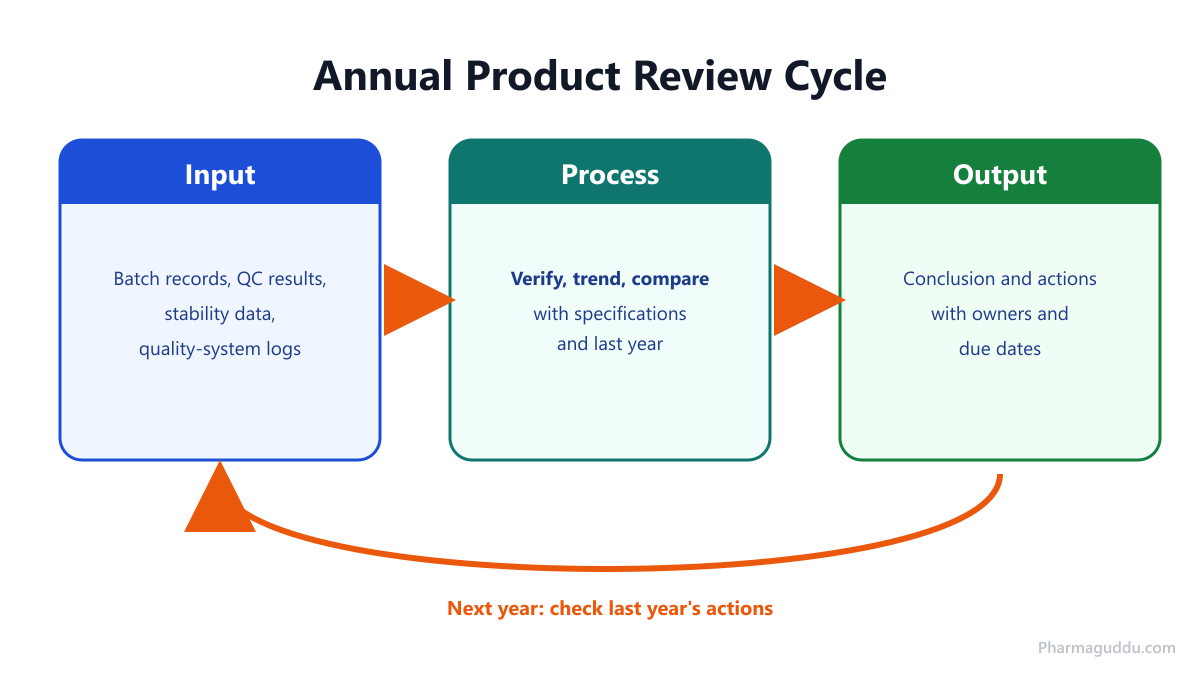
An annual product review (APR / PQR) checks a year of quality data for each product. Learn what to include, how to trend it and how to act on the results.
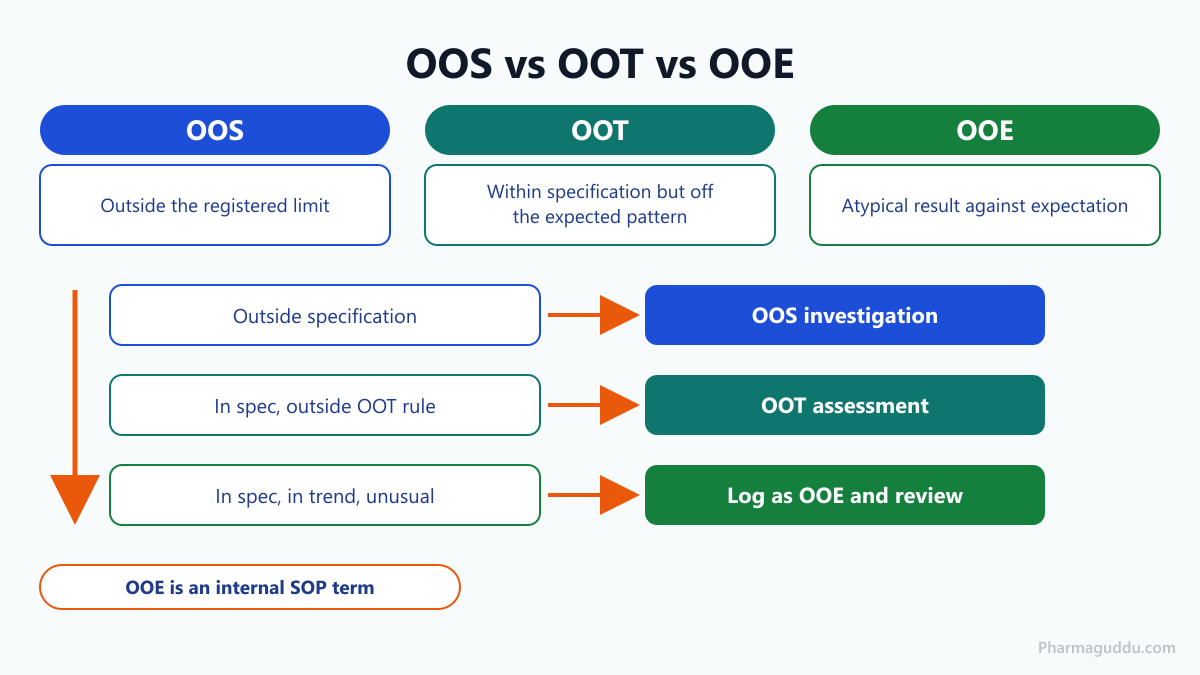
OOE means an in-spec result that looks unusual. See how it differs from OOT and OOS, with an HPLC peak example and a simple review process.
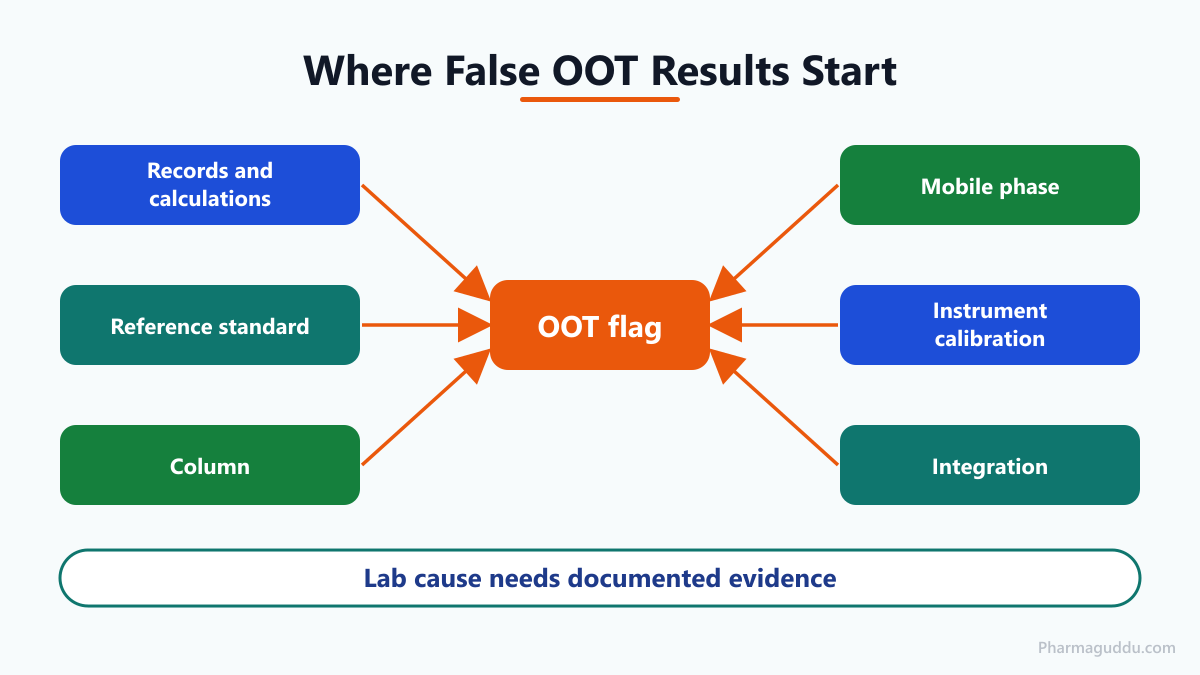
Which lab errors give HPLC false OOT results? A checklist of records, standards, column, mobile phase and integration checks, with fixes.
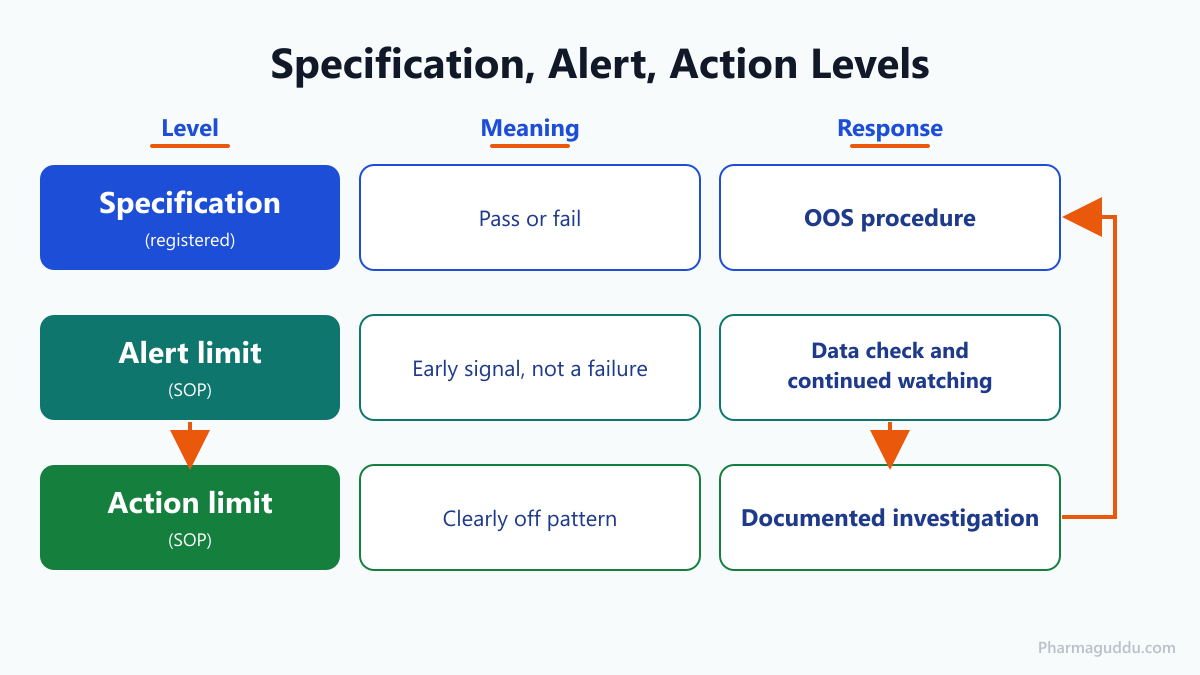
Alert limits give an early data check; action limits start a formal investigation. Learn how to set both for OOT trending and write them into the SOP.
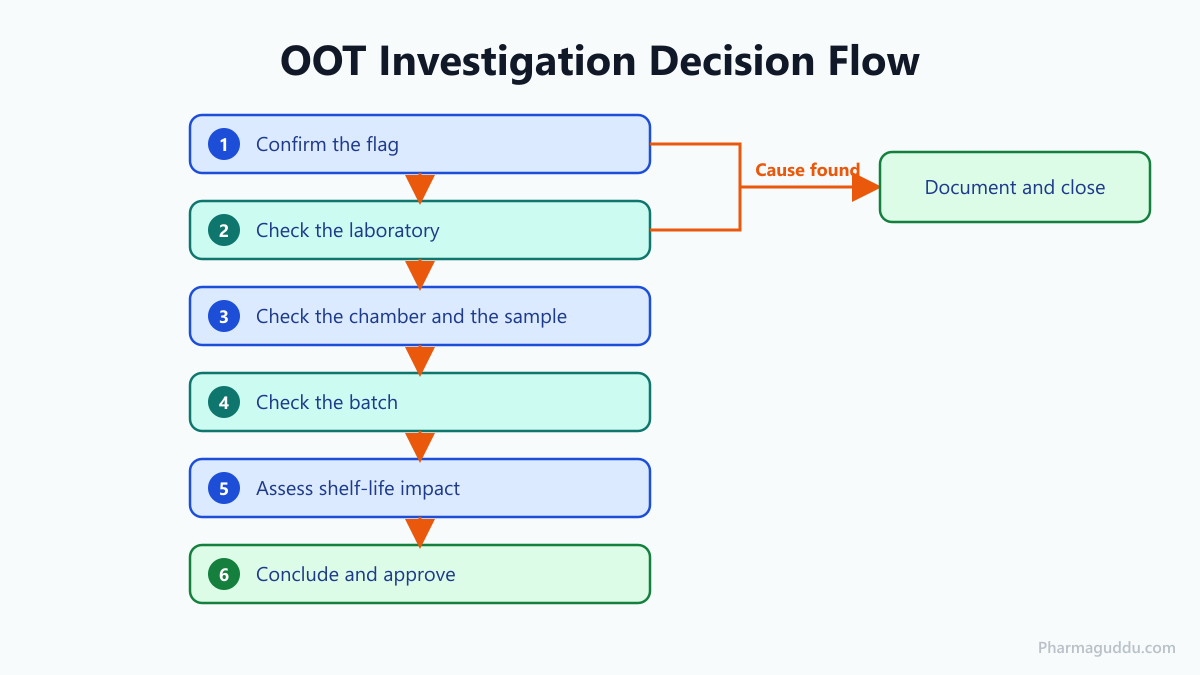
Learn the decision flow for an OOT investigation in stability studies, from the first flag to a documented conclusion and CAPA decision.
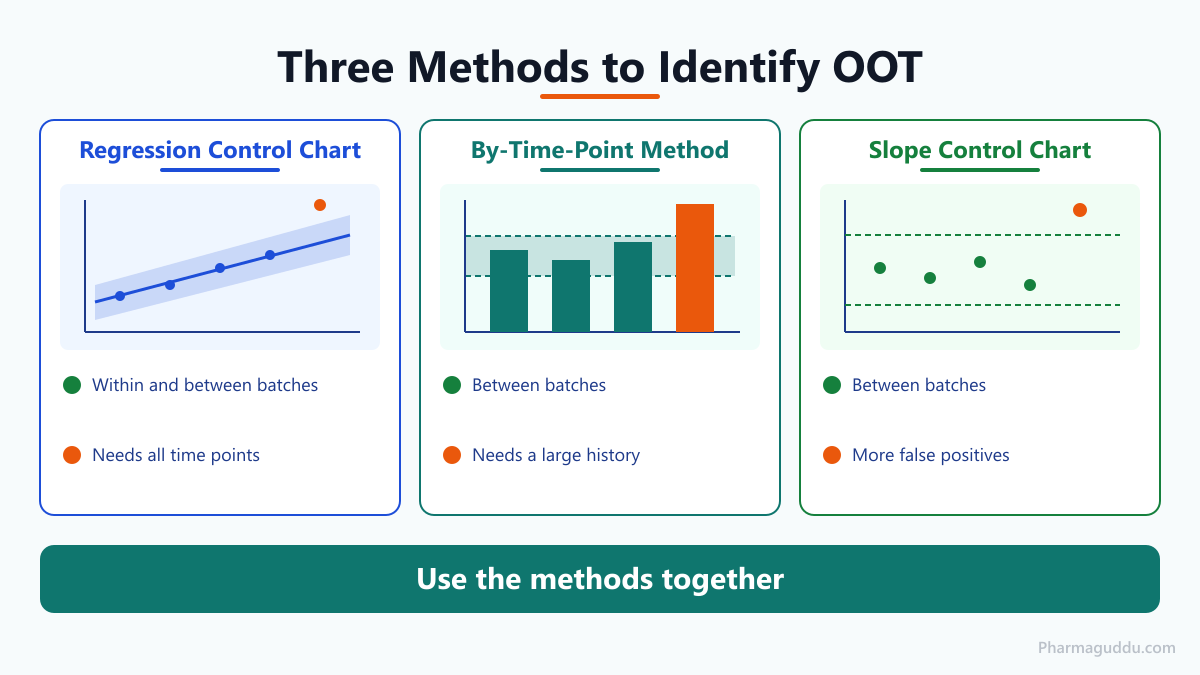
Learn how to find OOT in stability studies with regression, tolerance interval and slope methods, and follow a worked assay example.
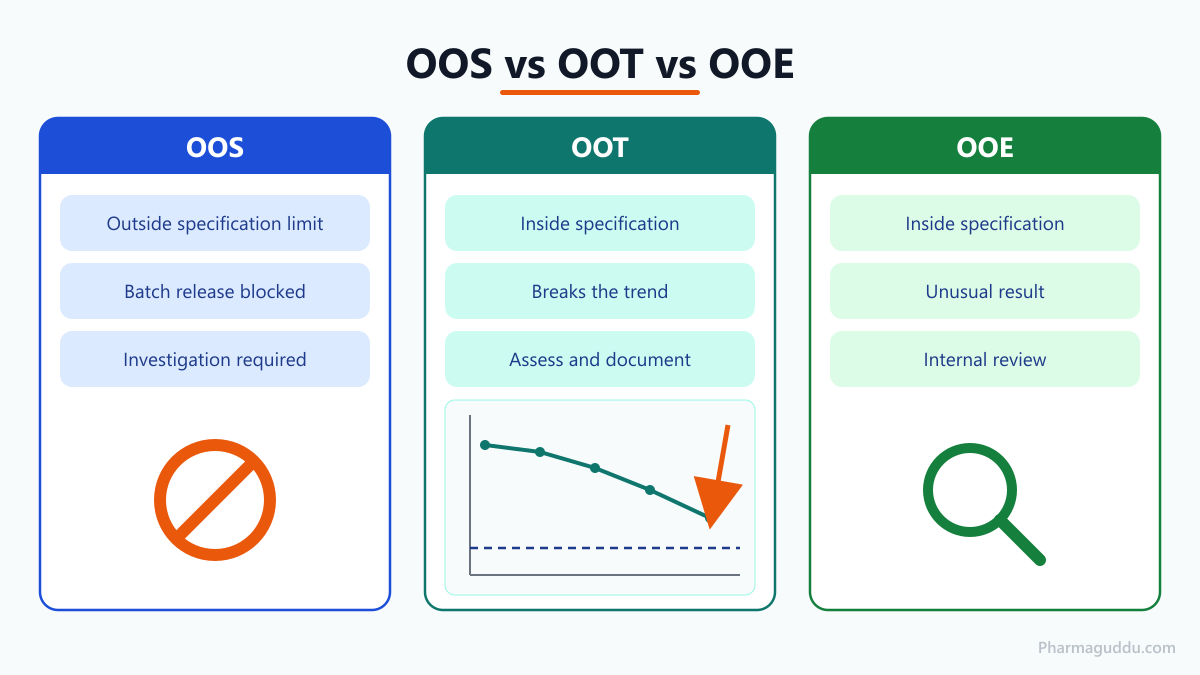
OOS breaks a limit and blocks release. OOT breaks a pattern and needs assessment. Learn the differences, investigation steps and release decisions.
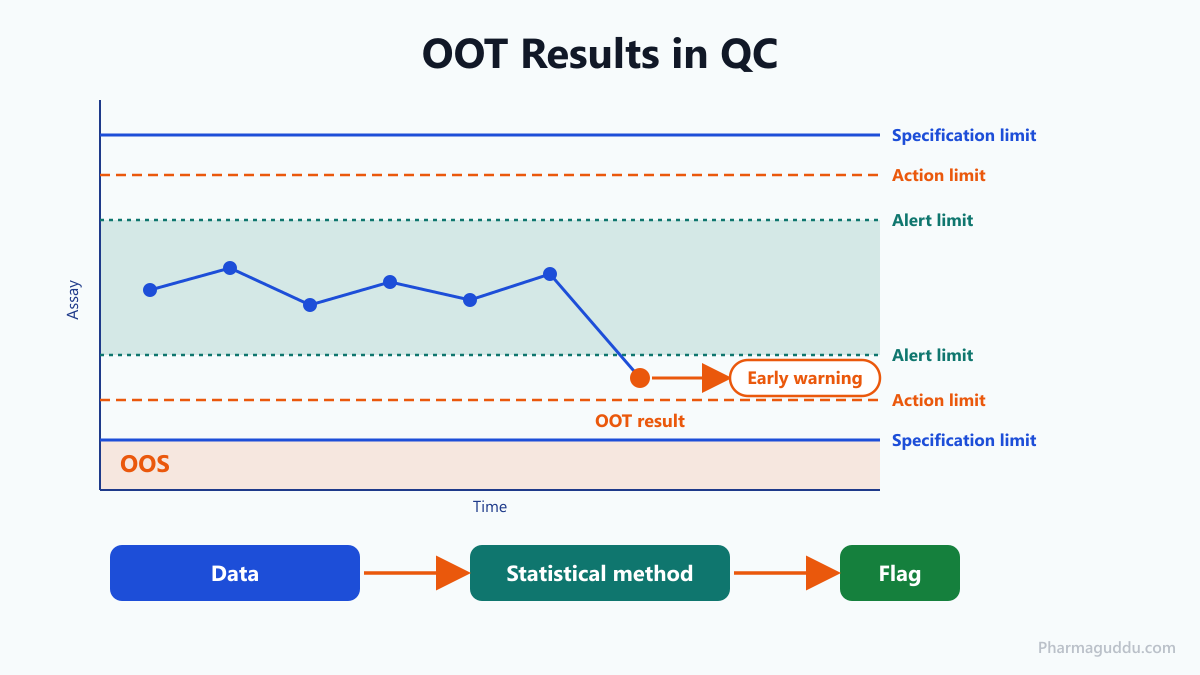
OOT results pass specification but break the usual pattern. Learn how to detect them, how they differ from OOS, and how to investigate them.
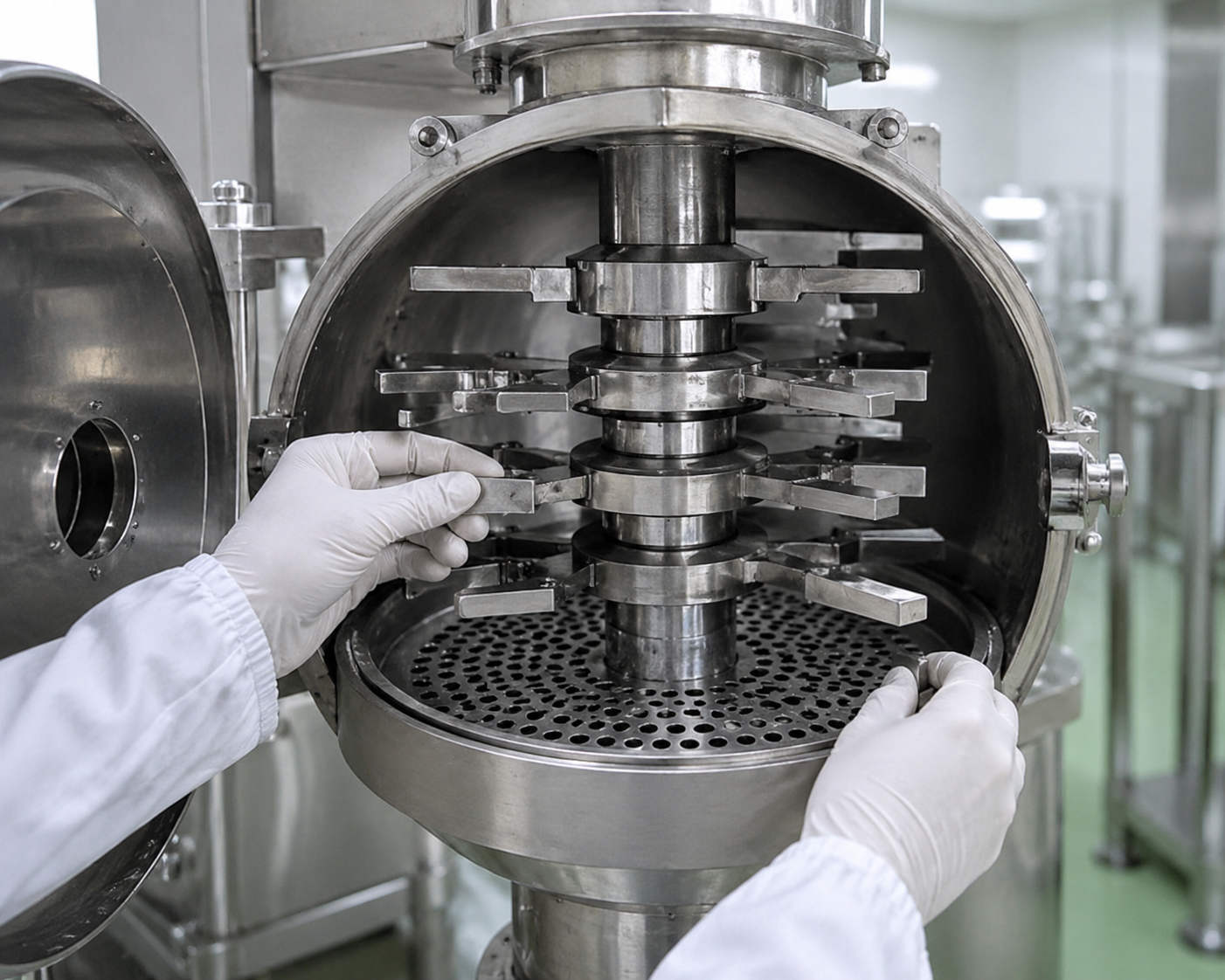
Most of the causes of multimill malfunctions such as oversized granules, excessive fines, screening problems, or motor overloads are related to blade dullness, incorrectly sized screens, or improper feed rates. In this article, you will find 8 failure modes with their potential causes and solutions for your pharmaceutical granulation process.
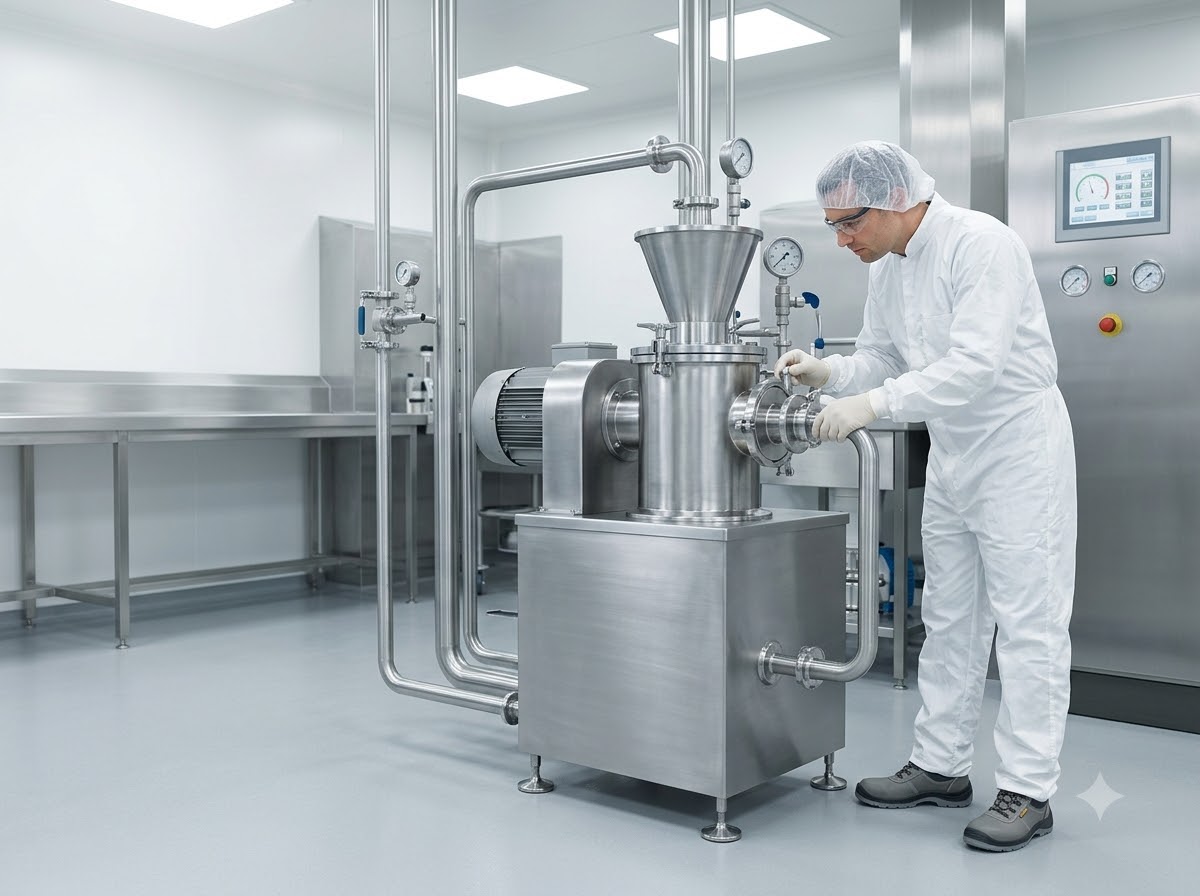
Even a well-maintained colloidal mill experiences recurring issues that lead to malfunction eventually, and usually, there are only several common causes for that: the gap drift, rotor/stator wear, improper feed rate, or a faulty mechanical seal. Moreover, preventing the issues from arising is significantly simpler and less resource-consuming than addressing them after they occur. For … Read more
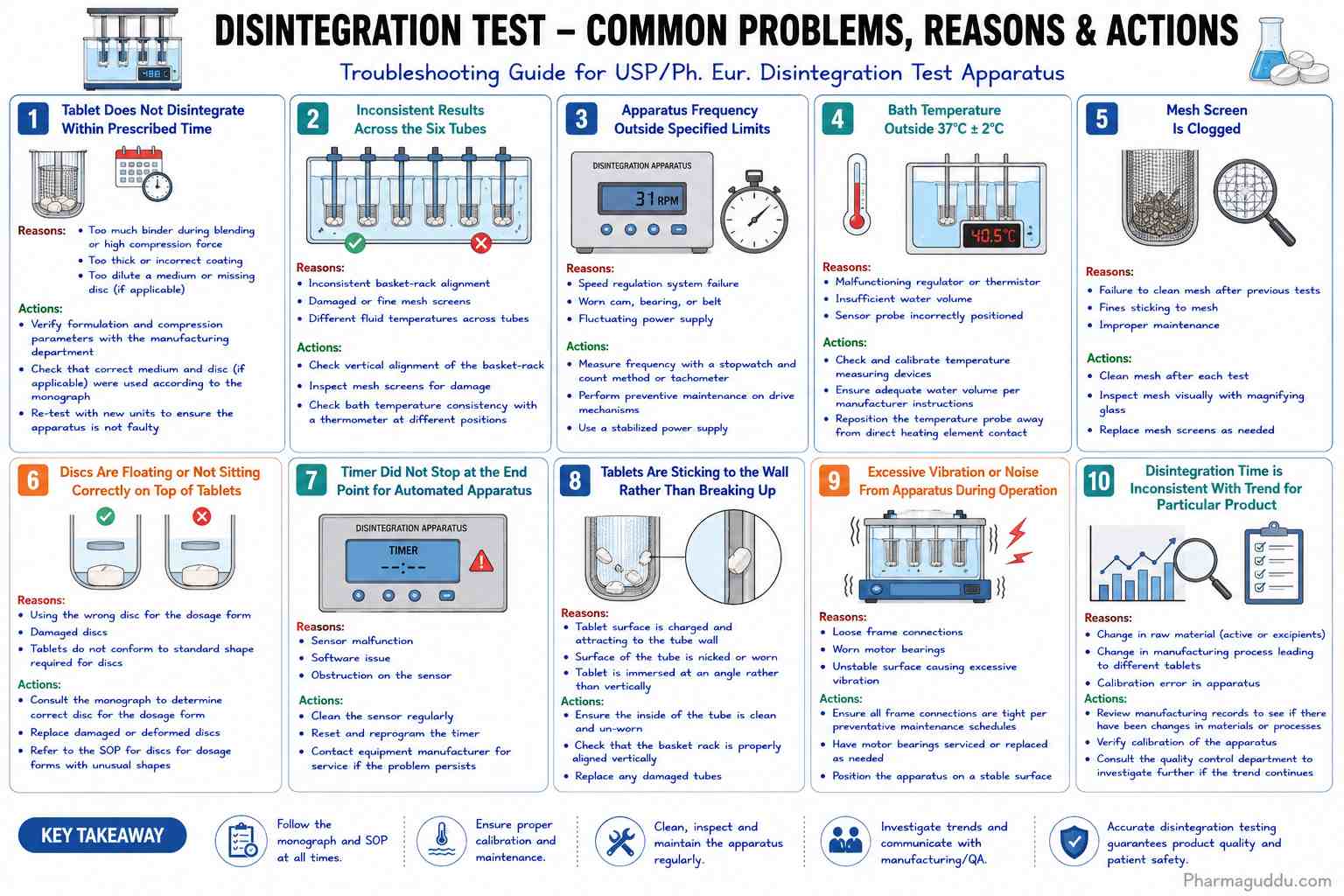
Have you ever asked yourself why a tablet, which has passed all the other quality control tests, fails the QC bench? A disintegration test apparatus is used to determine whether a tablet or a capsule disintegrates within a specified time under defined conditions. The test is performed by vertically reciprocating the unit in a liquid maintained at human body temperature. This article describes the working principle of the disintegration test apparatus, its components, the procedure for the disintegration test, calibration, and the disintegration limits set by the manufacturers for different dosage forms. This information will help QC and manufacturing personnel to perform the disintegration test properly and release the batches of the pharmaceutical products.