
GMP & Pharmaceutical Manufacturing Expert
✓ Reviewed by: Pankaj Sharma - Quality Control Specialist
Reviewed for Quality Control accuracy, laboratory practices, analytical methods, and technical relevance
📅 Last Updated: May 21, 2026
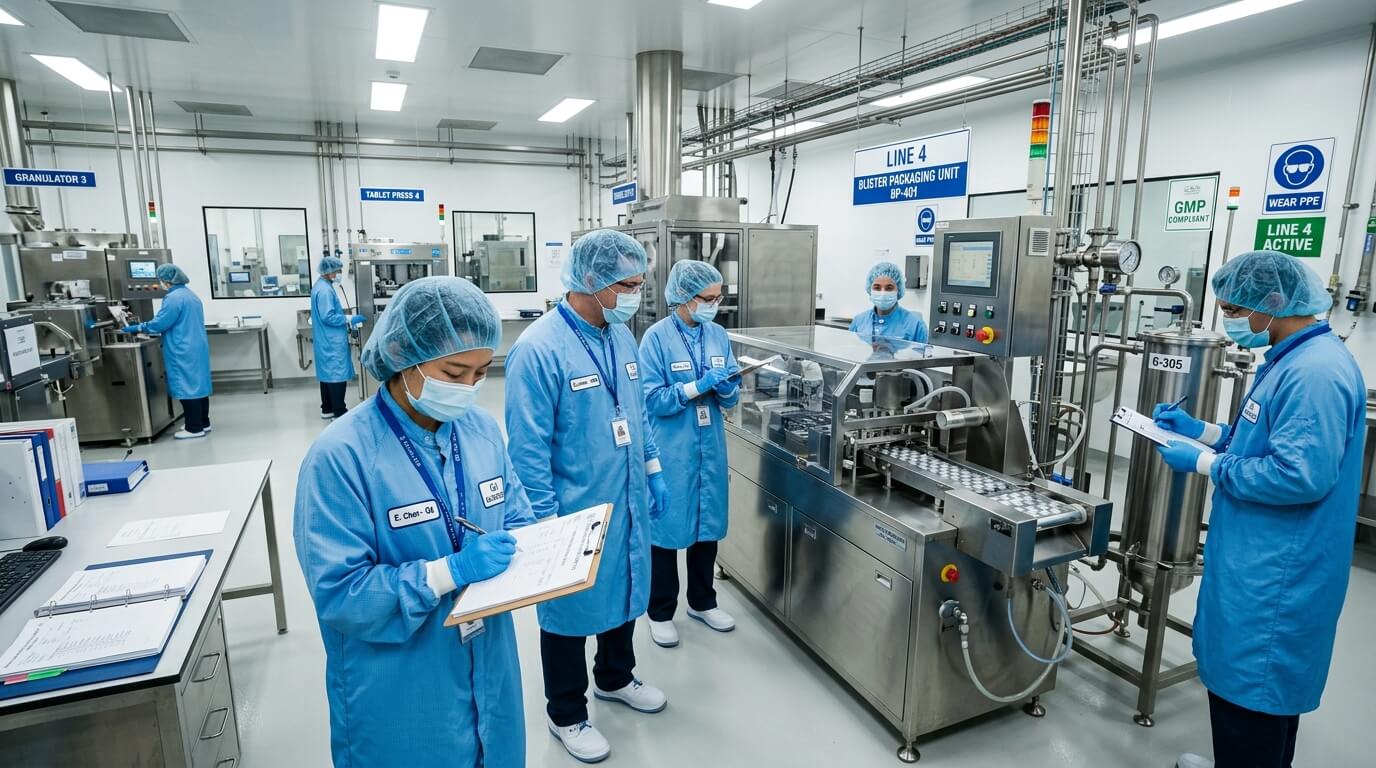
Self-inspection, also known as an internal audit, is a routine check that pharmaceutical companies run on their own to check the gaps between the procedures and documents. All manufacturing and quality teams must follow this process to maintain compliance. We can say it is a review that checks if daily work matches Good Manufacturing Practices and pharmaceutical standards.
Trained staff from separate departments are chosen to conduct the audit. They review production records, equipment logs, storage conditions, and safety procedures. If a gap is found between written procedures and actual practice, it gets recorded. Based on the internal audit findings, a clear corrective action plan is prepared for each department.
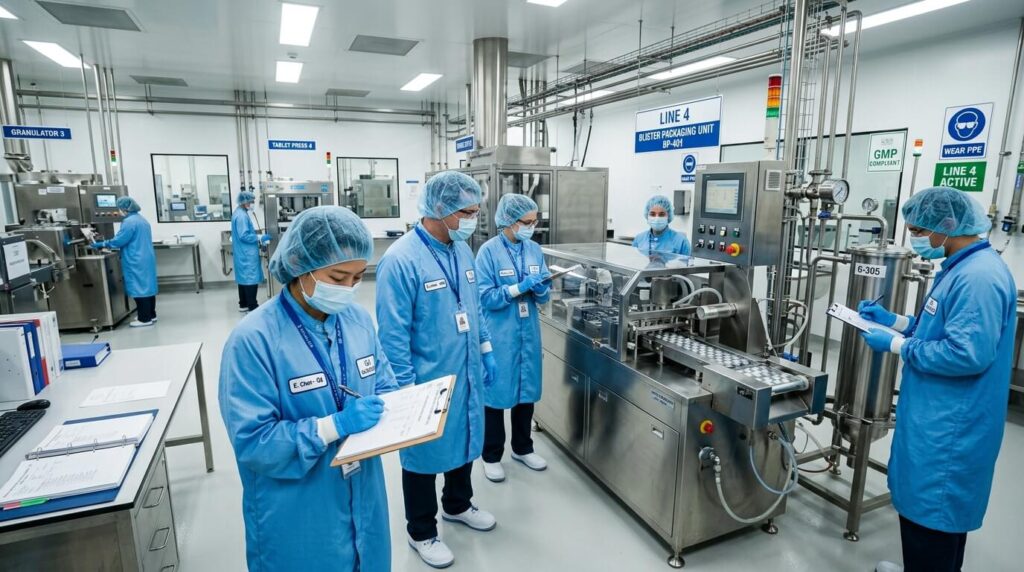
People will say that we have systems, we have SOPs, we have protocols, we are doing our daily activity routinely properly, then what is the purpose of self-inspection or why should we go for self-inspection?
Purpose of Self-Inspection
So real purpose is that, by internal inspection, it’s an opportunity. It’s an opportunity for an organization to find out our internal problems, find out our own improvement areas by ourselves rather than somebody else from outside will come to inspect and identify them for ourselves.
If we are able to identify our problems by our own and we can resolve them, then it is the best scenario. If somebody else from outside comes and identifies the problems for you, then the repercussions or consequences can be very bad.
And if it is a real critical issue identified by the external person, then we may be in very big trouble.
So self-inspection in a real term is an opportunity to have an insight, to see our own things from different perspective and find out the opportunity areas, find out what are the lacking areas and basis that we can improve upon our SOPs, our protocols, our systems.
That will give us an opportunity so that we can make our system better day by day.
Self Audit or Internal Audit Process
Written Plan:
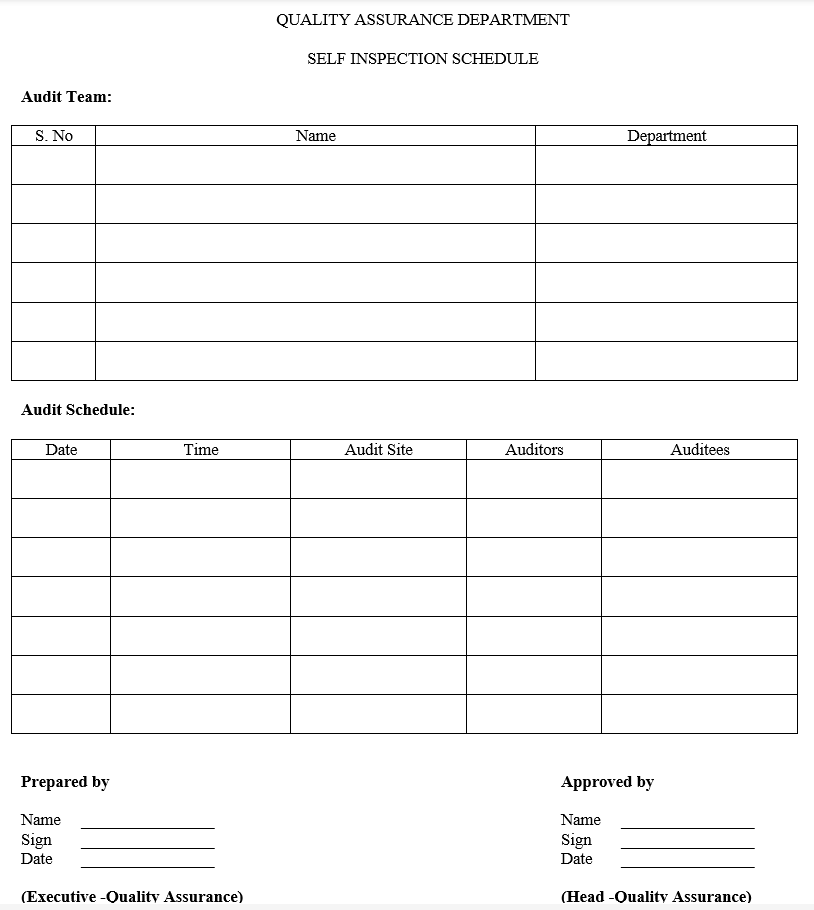
- QA will prepare the plan based on the risk factor, Past findings, and regulatory requirements.
- Preparation for choosing a trained audit team and assigning the project.
- Inform to concerned department about the audit inspection, date, and time.
- On the day of Audit…team inspects and reviews batch records, equipment logs, cleaning procedures, and staff training files.
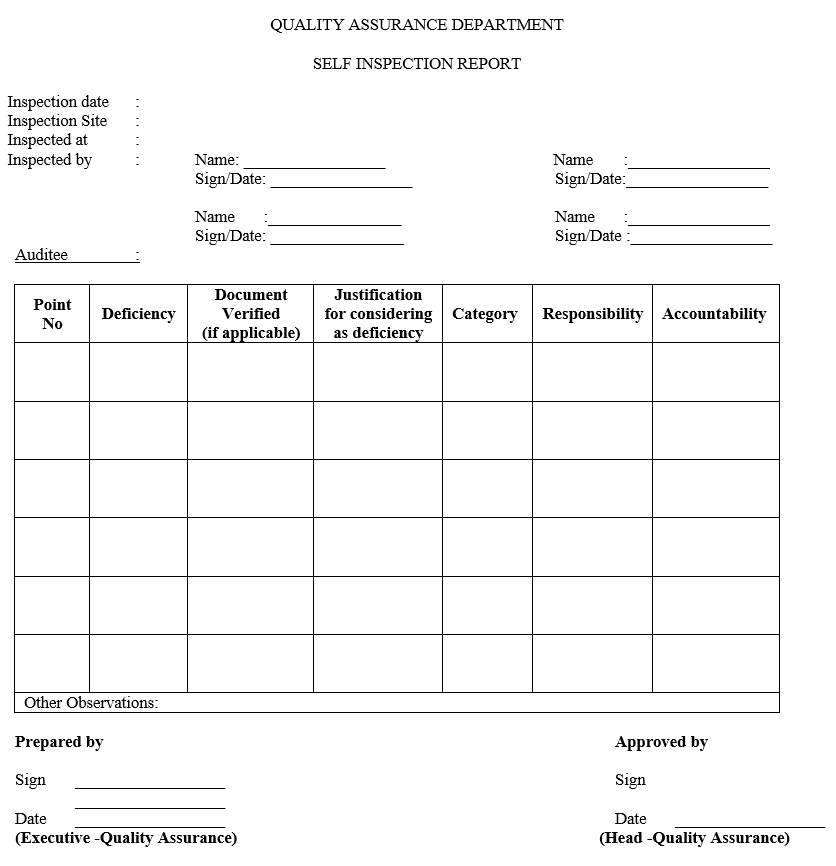
- All observations shall be recorded in standard format.
- If any GAP found between SOPs and actual practice gets documented as a deviation.
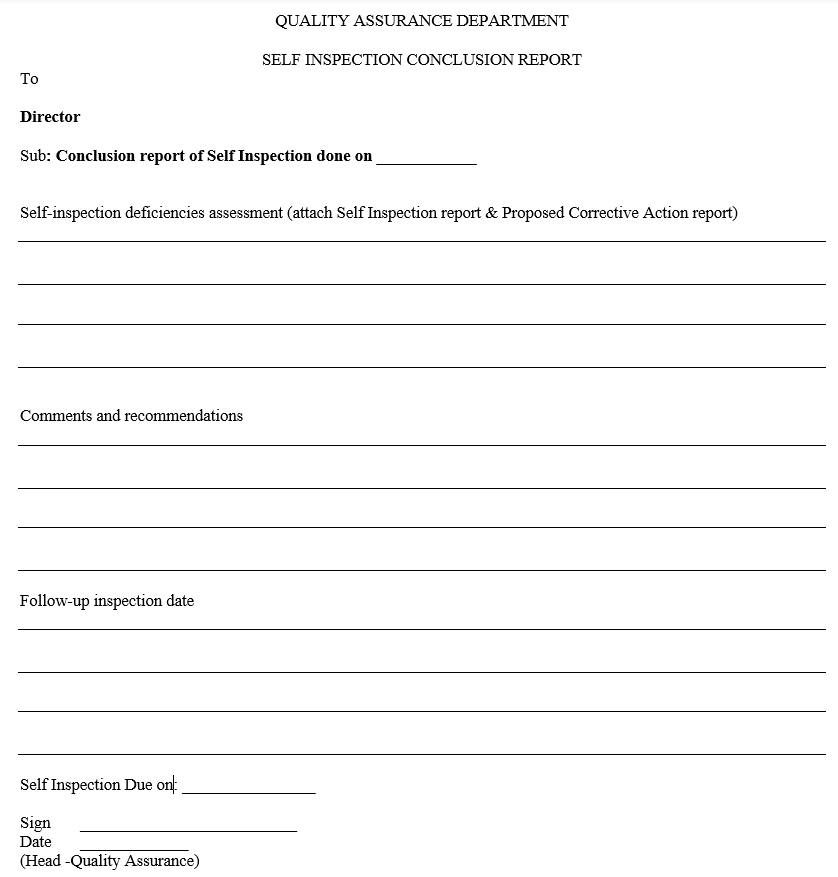
- After completion of audit, a final report is prepared including all findings, their risk level, and recommended actions.
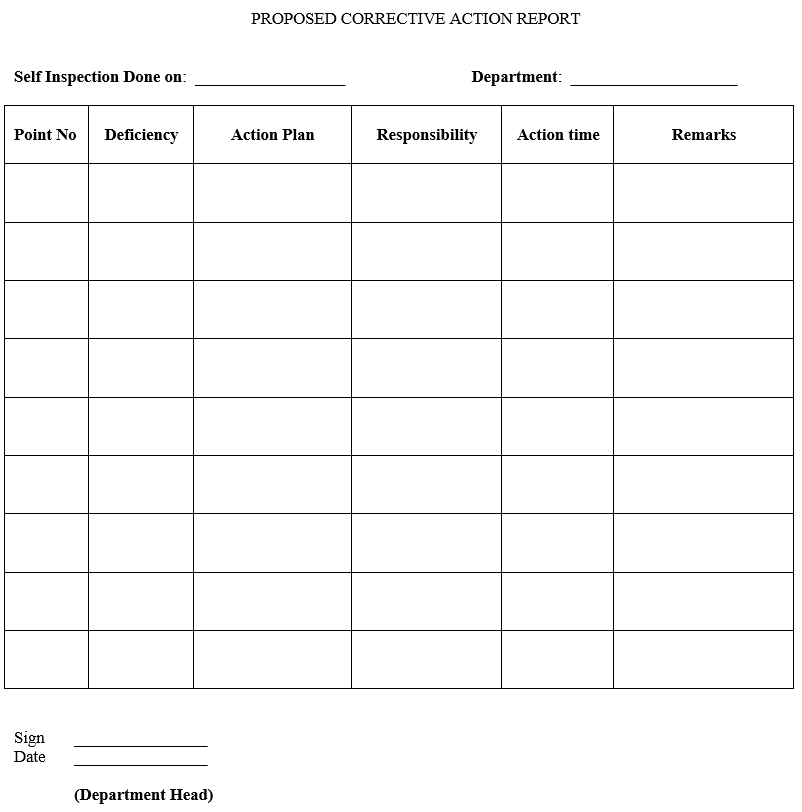
- Based on the final report, concerned department prepares a corrective and preventive action plan and fixes them before closing audit report.
- Its neccesary to keep all audit records to present them before the FDA, WHO, or other regulatory bodies during the site visit.
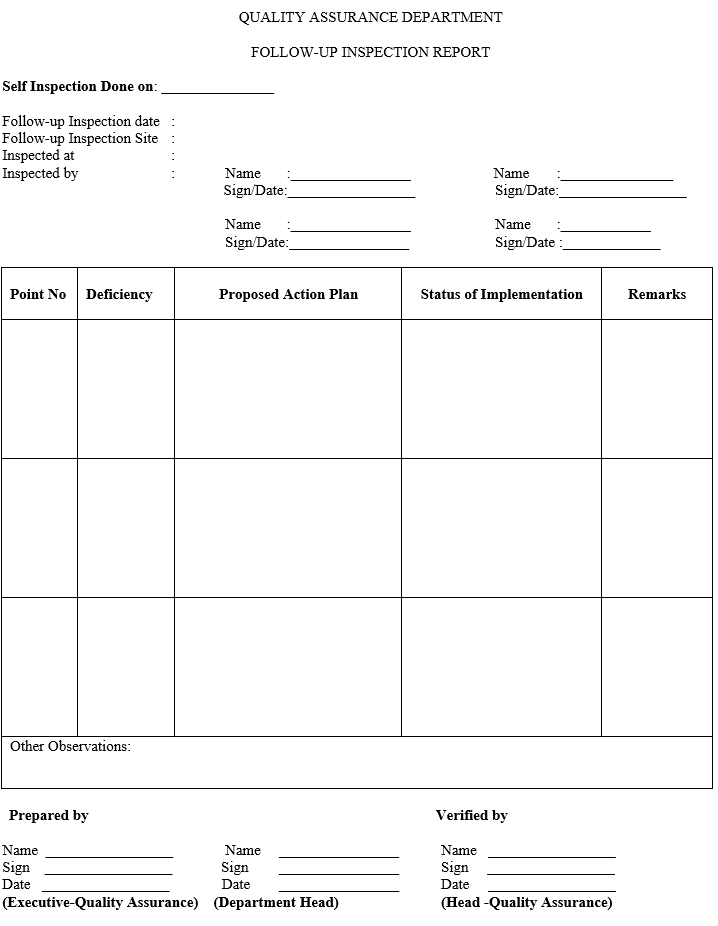
Check below to see all the Audit documents.
Importance of Self-Inspection
So that is the real purpose of the inspection, and it should be given utmost importance by any organization.
In daily life, if you are doing things routinely and nobody else is checking from a different perspective, then what will happen?
We will understand that whatever we are doing is best, it is going smoothly, and there is no issue.
But if you involve other persons from the organization, if you involve a cross-functional team, for example, self-inspection should be done by the cross-functional team, so that the persons or experts from the different areas will come, will see, check your process, and identify concerns if there are any concerns.
Benefits of Cross-Functional Inspection
- It will help us to improve.
- It will help us to be in compliance with the guidelines.
- It will help us to see what can be the problem areas, what other industries are having the problems, and from their mistakes, we can learn and improve upon our own areas.
So that is the benefit of doing a self-inspection.
Conclusion
This is all about making you understand what self-inspection is and the importance of self-inspection.
Hope this will give a clear insight, and from now onwards, you will give importance to the internal inspection and make efforts to correct the things to make company, organization, in compliance.
Related Audit and inspection Articles:
Top 10 Common Audit Findings in Pharmaceutical Manufacturing
Roles and Responsibilities in Audit
Guidance on Opening Meetings Audit
Pharmaceutical Audit: Scope, Criteria, Methods and Objective
Nonconformity During Audit and its types with Examples
Audit Check List Points for Warehouse
Audit Check List for Engineering Department
Audit Check List for Quality Assurance Pharmaceuticals
Audit Checklist for Quality Control Department in Pharma
Audit Checklist for Human Resource and Administration
FAQs on Self-Inspection or Internal Audit
Yes, companies document internal audit findings. Pharma companies always keep the self-inspection/internal audit finding records.
These records show what was checked, what was found, and what action was taken to prevent them again.
Why do they do this? First, while on demand inspection FDA and others regulatories body may ask for these documents. If a company failed to show proof of their self-inspections, it may face warnings, fines, or even shutdowns.
Self-inspection or internal audit is the same thing or process. The purpose of both are same. However, the self-inspection term comes from WHO GMP guidelines, but now some companies coperate called it a internal audit in quality management review language.

Naresh Bhakar is the Founder and Author at Pharmaguddu.com, bringing his extensive expertise in the field of pharmaceuticals to readers worldwide. He has experience in Pharma manufacturing and has worked with top Pharmaceuticals. He has rich knowledge and provides valuable insights and data through his articles and content on Pharmaguddu.com. For further inquiries or collaborations, please don’t hesitate to reach out via email at [email protected].