
Fumigation and Fogging in Pharmaceutical
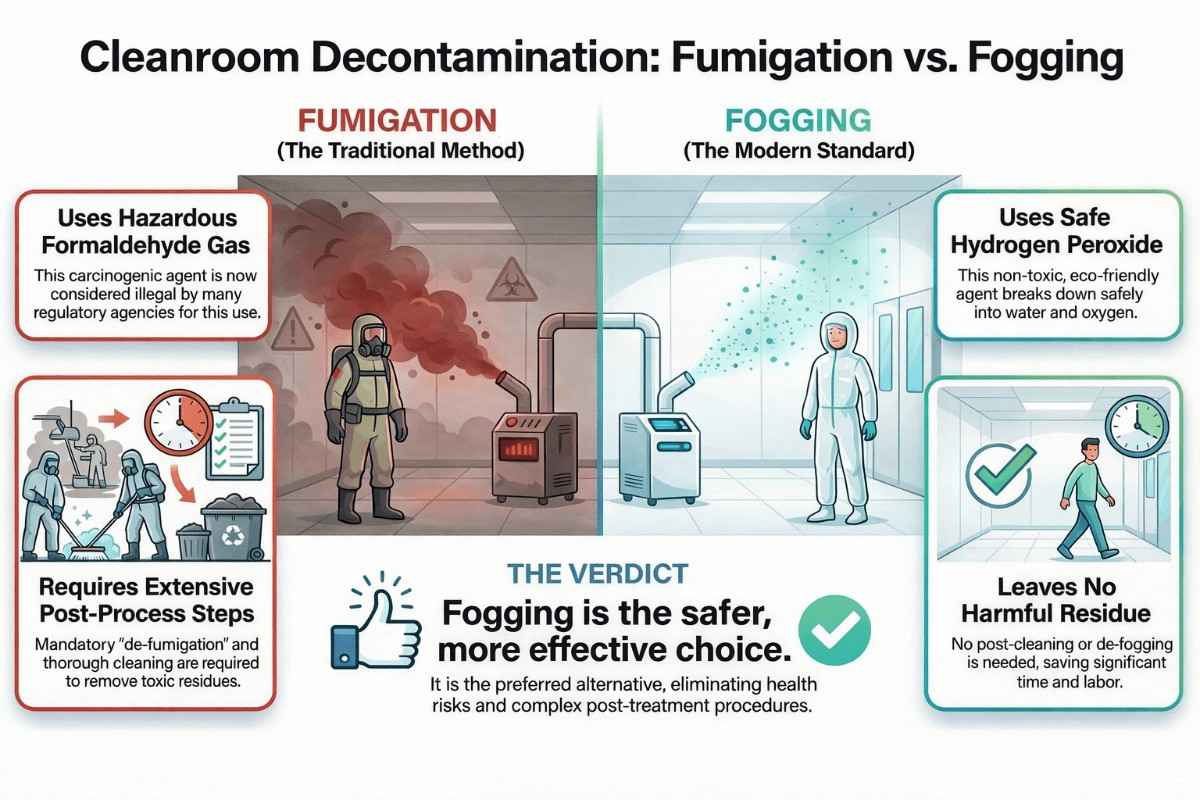
Visual Guide on Fogging vs Fumigation Comparison

Fumigation and fogging are commonly used in pharmaceuticals to control microbial contamination in controlled areas. Fumigation is a gaseous sterilization process that kills microorganisms and prevents microbial growth in the air or on surfaces such as walls and floors. Fumigation agents, such as formaldehyde and potassium permanganate, are often used to control microorganisms. This technique … Read more
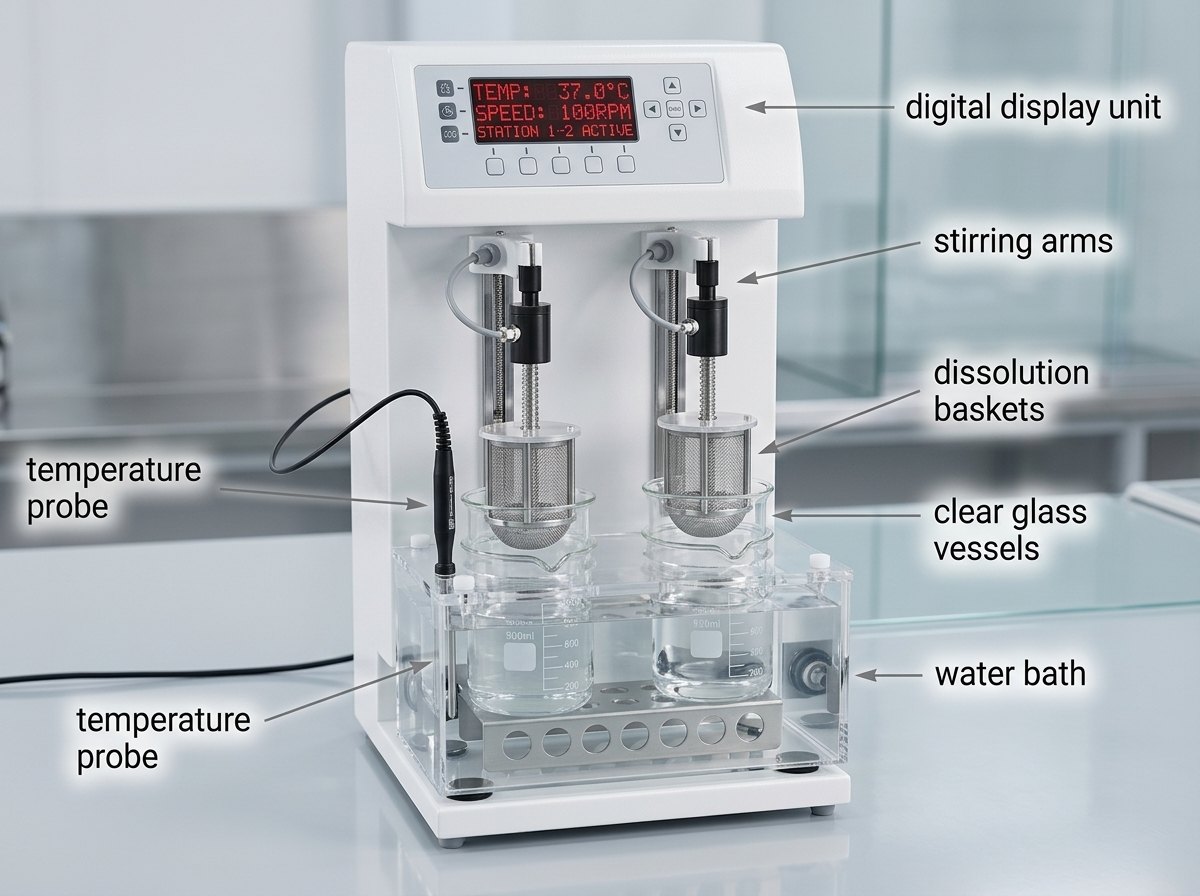
Disintegration Test Apparatus: Diagram, Principle, Types, Procedure, Calibration, Limit and Assembly

Labeled diagram of a pharmaceutical dissolution test apparatus showing the display unit, stirring arms, baskets, vessels, water bath, and temperature probe.

A disintegration test apparatus: a brief explanation of the diagram and main elements, as well as the mechanism of the disintegration process itself. Moreover, the present article describes apparatus types, discusses the disintegration test procedure, calibration requirements, and time limits according to USP, BP, IP, and Ph. Eur. – useful information for quality control analysts, production managers, and students who study the characteristics of medicinal forms and want to determine the disintegration time of tablets or capsules.