Limit Test for Chloride

A limit test for chloride is done to identify the impurity in the compounds by comparing the test solution against the standard solution. The chloride limits test is only designed to identify and control the impurity present in the compounds. Limit Test for Chloride Principle The limit test for chloride is based on the reaction … Read more

Limit Test for Iron

The limit test for iron refers to a type of analytical chemistry test used to determine the concentration of iron in a sample. This test is often performed in the laboratory as part of a larger suite of tests to determine the chemical composition of a substance.In a limit test for iron, a known volume … Read more

Limit test in Pharmaceuticals / inorganic chemistry

In pharmaceutical analysis, a limit test is a type of analytical test used to determine impurity in a substance whether a substance is present in a sample at a concentration above or below a specified limit. Limit tests are often used to ensure that a substance meets certain quality standards or regulatory requirements. Definition The … Read more

Various Types of HPLC Columns

Types of HPLC Columns

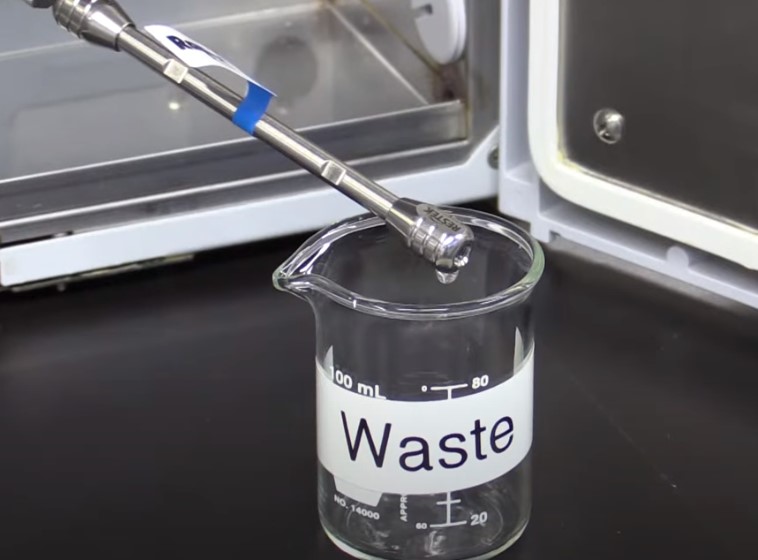
Various types of HPLC columns from the analytical point of view. know about what is an HPLC column? The column is the heart of the HPLC. The column stationary phase separates the sample components of interest using various physical and chemical parameters. It is usually made of stainless steel to withstand high pressure caused by … Read more

Methyl Orange indicator Preparation | How to make w/v Methyl Orange

Aim: Methyl Orange Indicator Preparation | How to make w/v methyl orange Requirements: Glasswares: Burette, burette stand, conical flask, volumetric pipette, beaker, measuring flask, funnel, glass rod, wash bottle, storage container, etc. Chemicals: Methyl orange, Ethanol 20 ml, and Distilled water. Procedure for Methyl Orange Indicator preparation Related Post: Preparation and Standardization of 0.1 N HCl

Preparation and Standardization of 0.1 N HCl

To Preparation and Standardization of 0.1 N HCl utilizing sodium carbonate (also comprehended as washing soda, soda ash, and soda crystals) as the primary standard (Acid-base titration). Prerequisites for preparation and standardization of 0.1 N HCL: Glasswares: Burette, stand for burette, a conical flask, volumetric pipette to makeup volume, beaker, volumetric flask, funnel, glass rod, … Read more

Good Laboratory Practice (GLP) in Pharmaceutical

Good Laboratory Practice

Good Laboratory Practice (GLP) is a set of guidelines that helps ensure the quality and reliability of pharmaceutical laboratory data. These GLP guidelines are important because they help to prevent errors and they also ensure that data collected during laboratory testing is accurate and consistent. Understanding GLP guidelines in Pharmaceuticals: Good Laboratory Practice (GLP) guidelines … Read more

High-Performance Liquid Chromatography (HPLC)

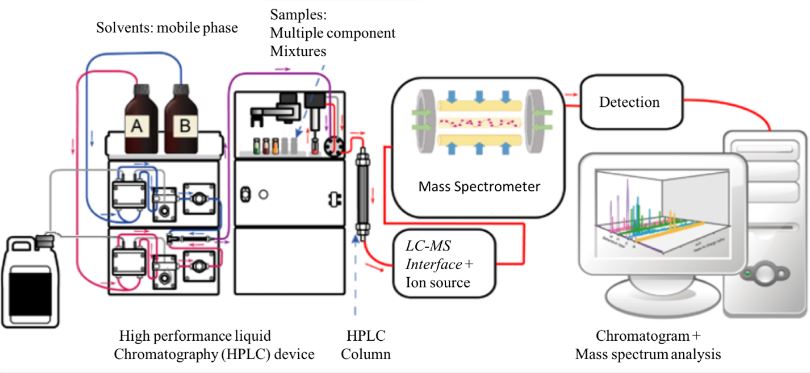
High-Performance Liquid Chromatography (HPLC) is used in pharmaceuticals for the analysis of drug mixture and their components. HPLC is reverse-phase Liquid Chromatography. This technique is used for thermal labile, high molecular weight peptides, and non-volatile compounds. The main purpose of HPLC is used to examine the mixture for its identification, impurities, and purification. The mixture … Read more