Mouthwash: Types, Formulation and Use as a Supplement to Brushing
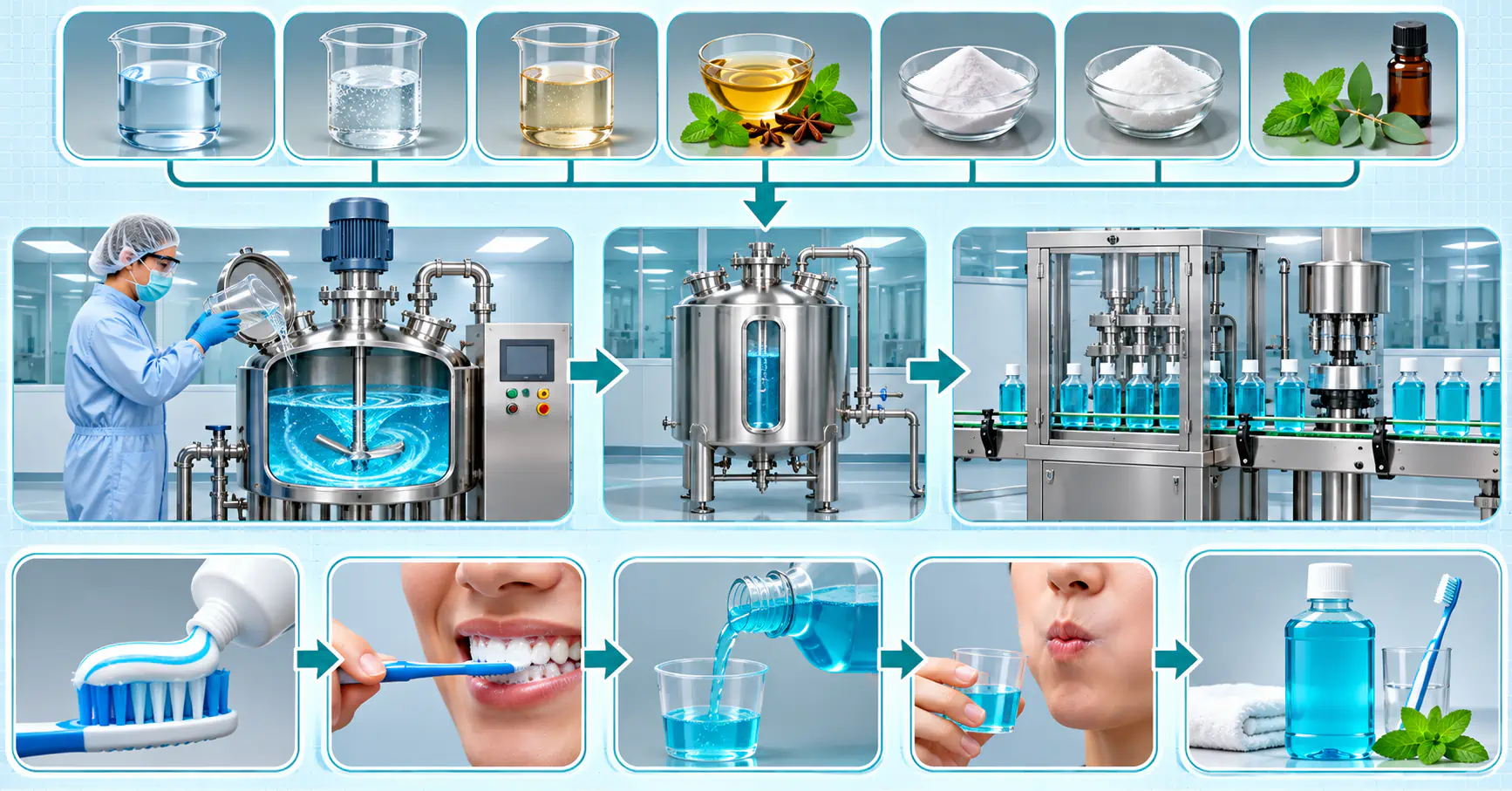
Mouthwash formulation, types, manufacturing controls and FDA rules, with the reason a rinse supplements brushing and does not replace it.

Mouthwash formulation, types, manufacturing controls and FDA rules, with the reason a rinse supplements brushing and does not replace it.
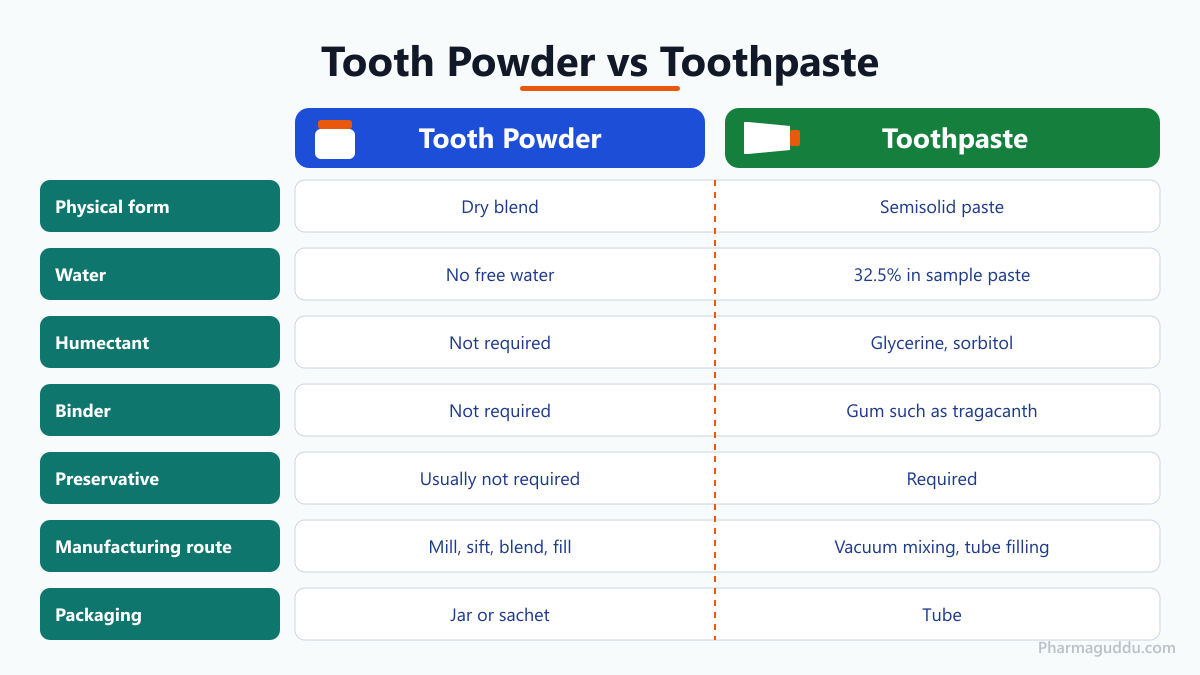
Tooth powder is a dry blend; toothpaste carries water, so it needs a humectant, binder and preservative. See the formulation and process differences.
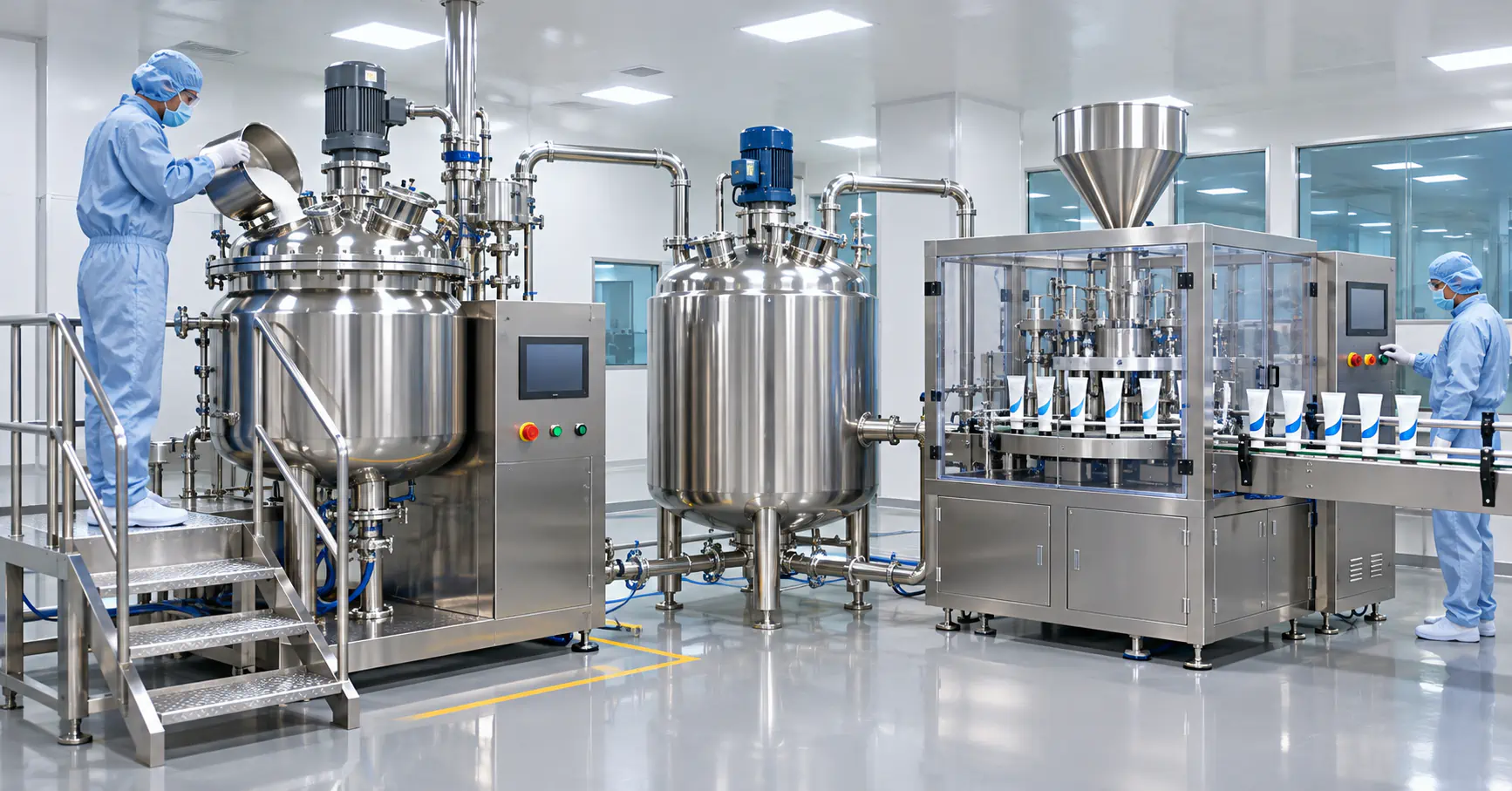
Step-by-step toothpaste manufacturing process from gel preparation and vacuum mixing to tube filling, with equipment, IPC, parameters and fixes.
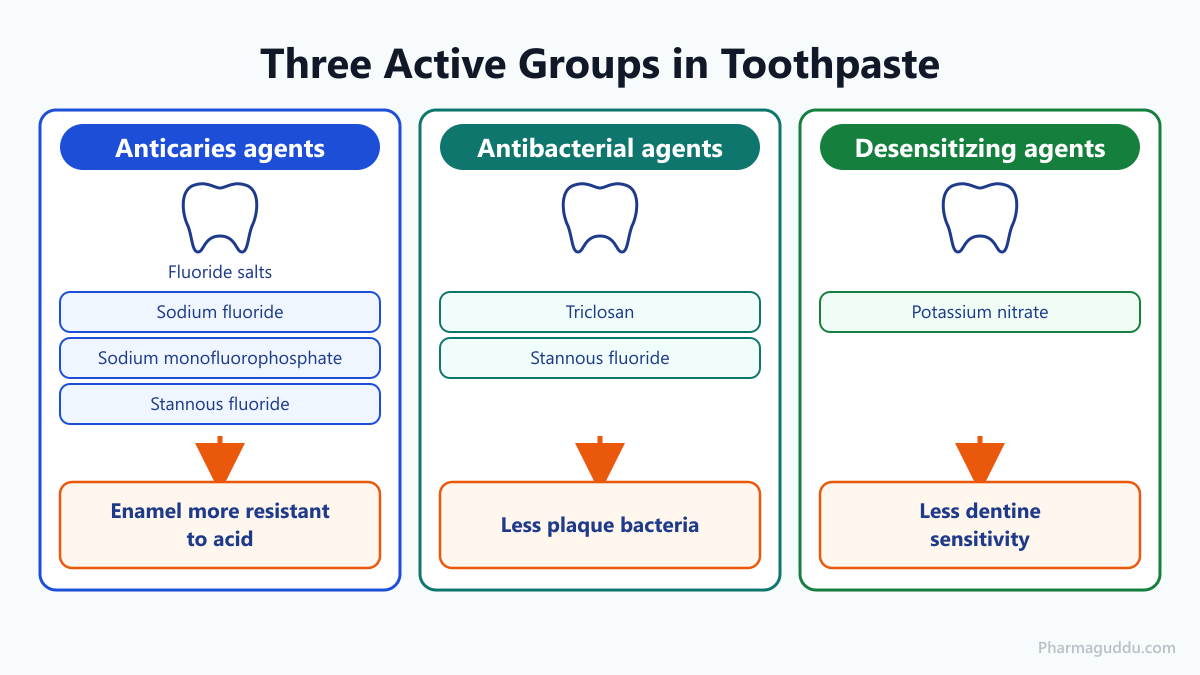
Fluoride, antibacterial and desensitizing actives in toothpaste: US monograph limits, order of addition, in-process controls and common problems.
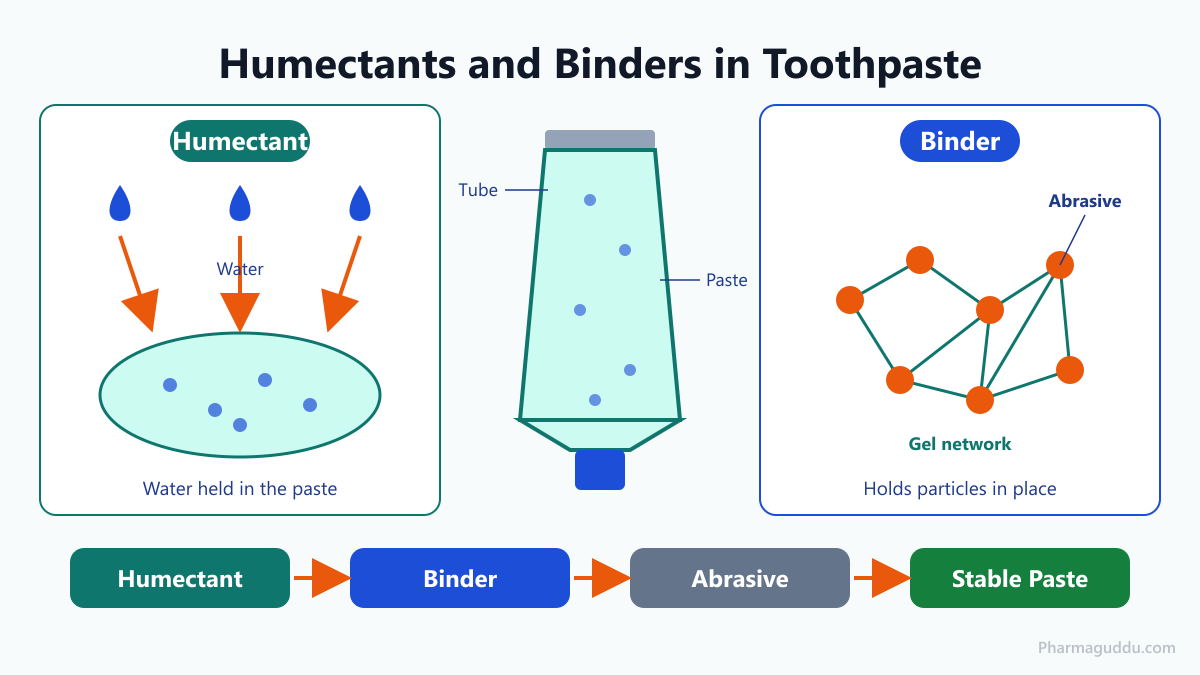
How humectants (glycerine, sorbitol) and gum binders (xanthan, carrageenan, CMC) shape toothpaste consistency, and how gum lumps and air are controlled.
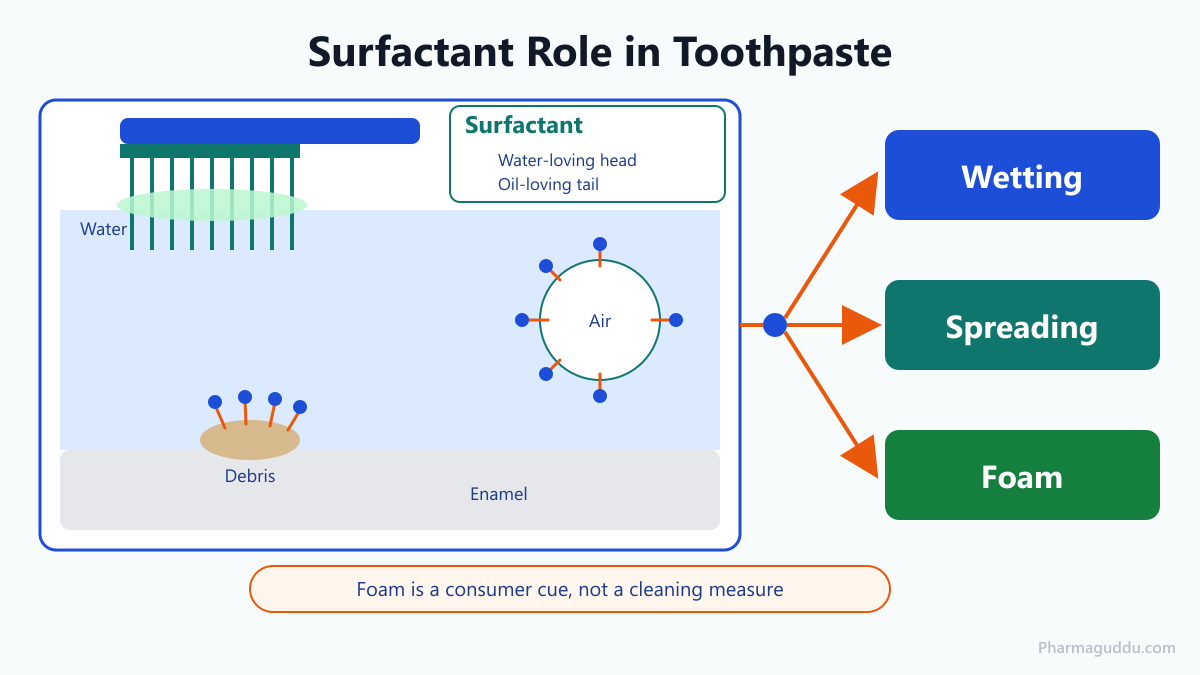
How surfactants such as SLS give toothpaste its foam and spreading action, how alternatives compare, and how mixing, foam tests and cleaning are controlled.
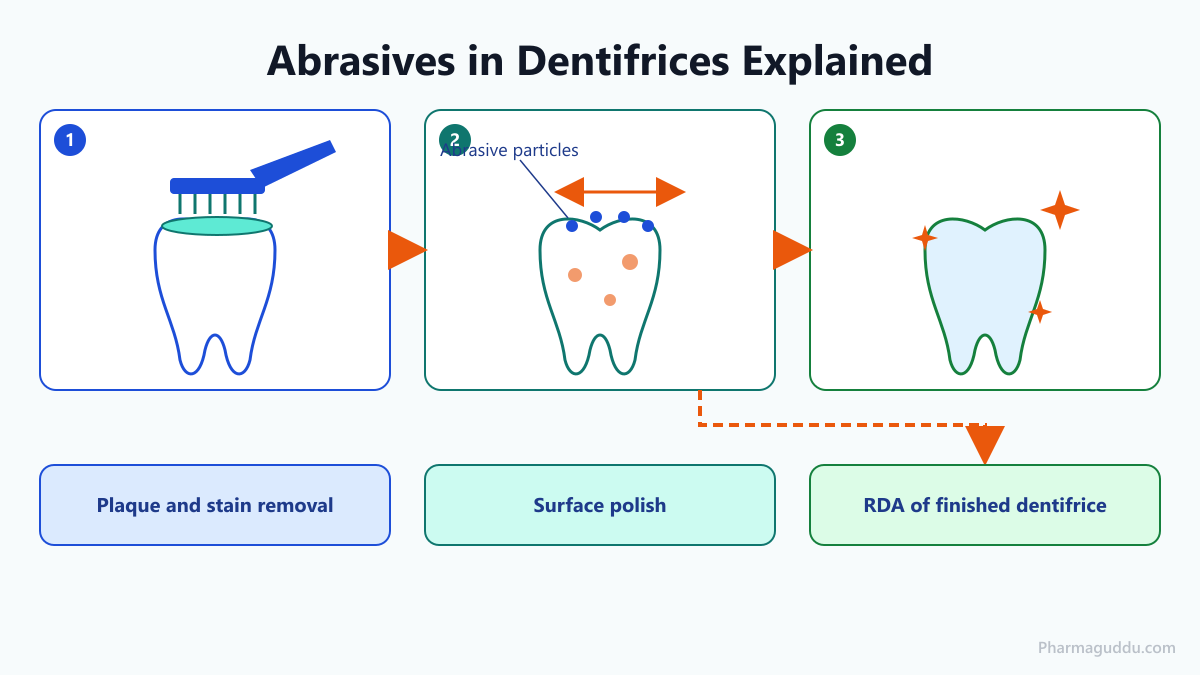
How calcium carbonate, dicalcium phosphate, silica, alumina and hydroxyapatite work as dentifrice abrasives, and how RDA testing guides selection.
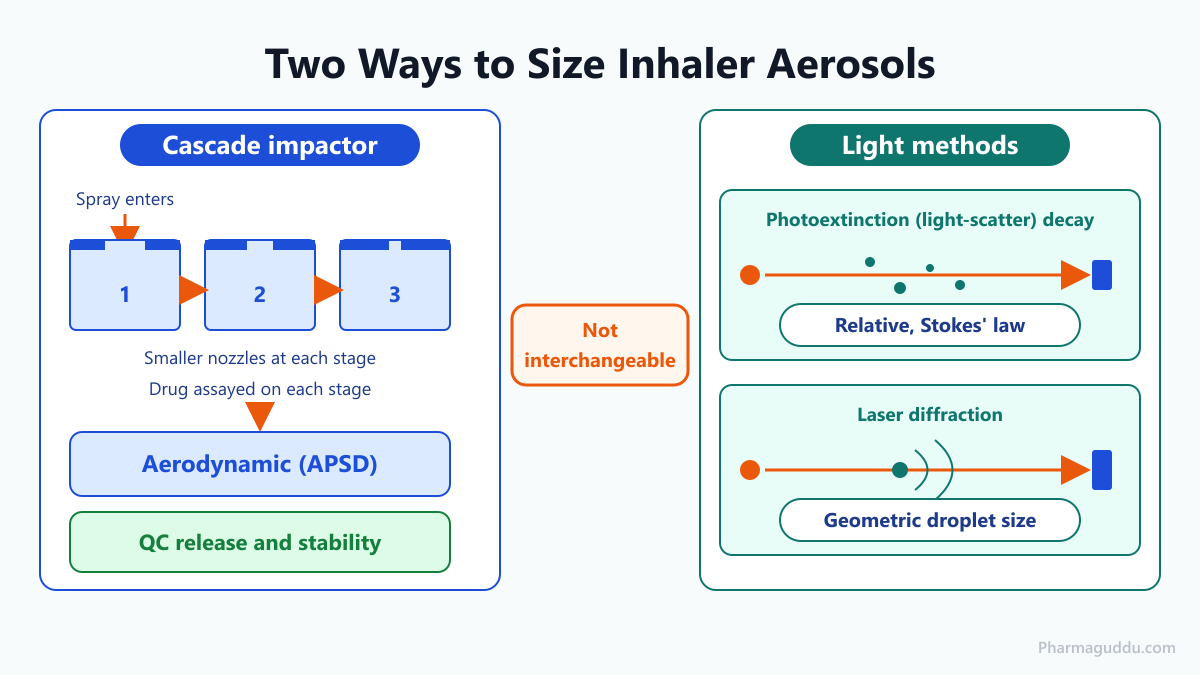
How a cascade impactor and light scattering decay measure inhaler aerosol size, and how MMAD, GSD and FPF are read from the results.
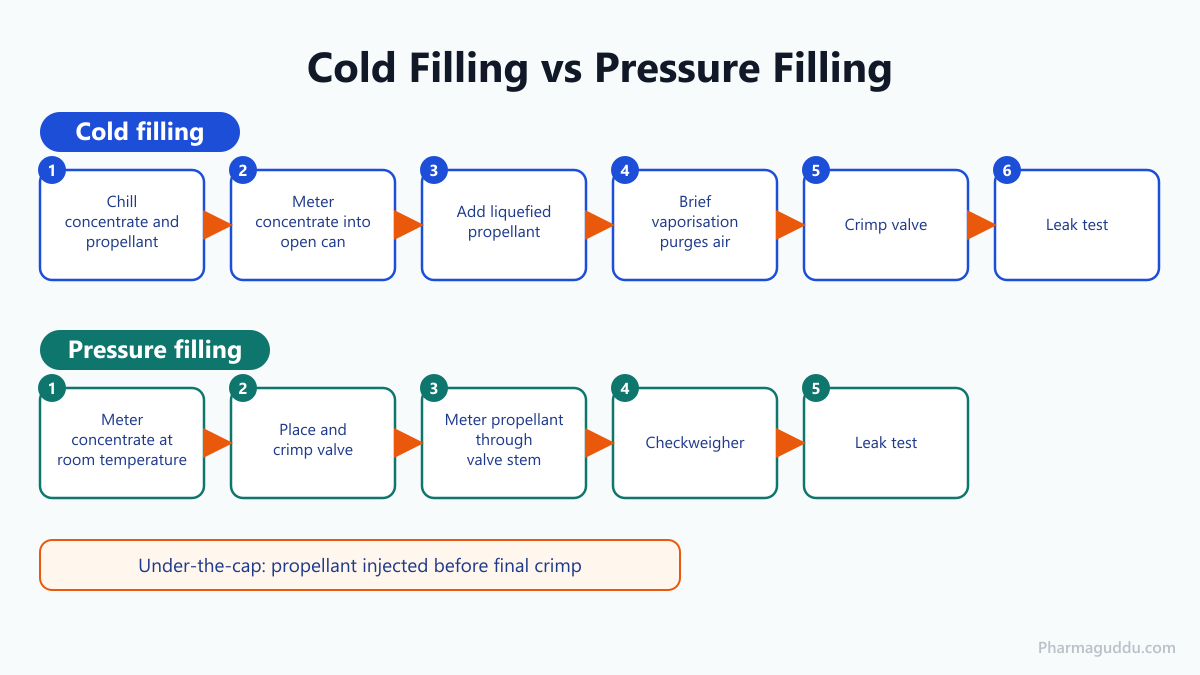
How cold filling and pressure filling of pharmaceutical aerosols are run, which products suit each and why cold filling fails for aqueous products.
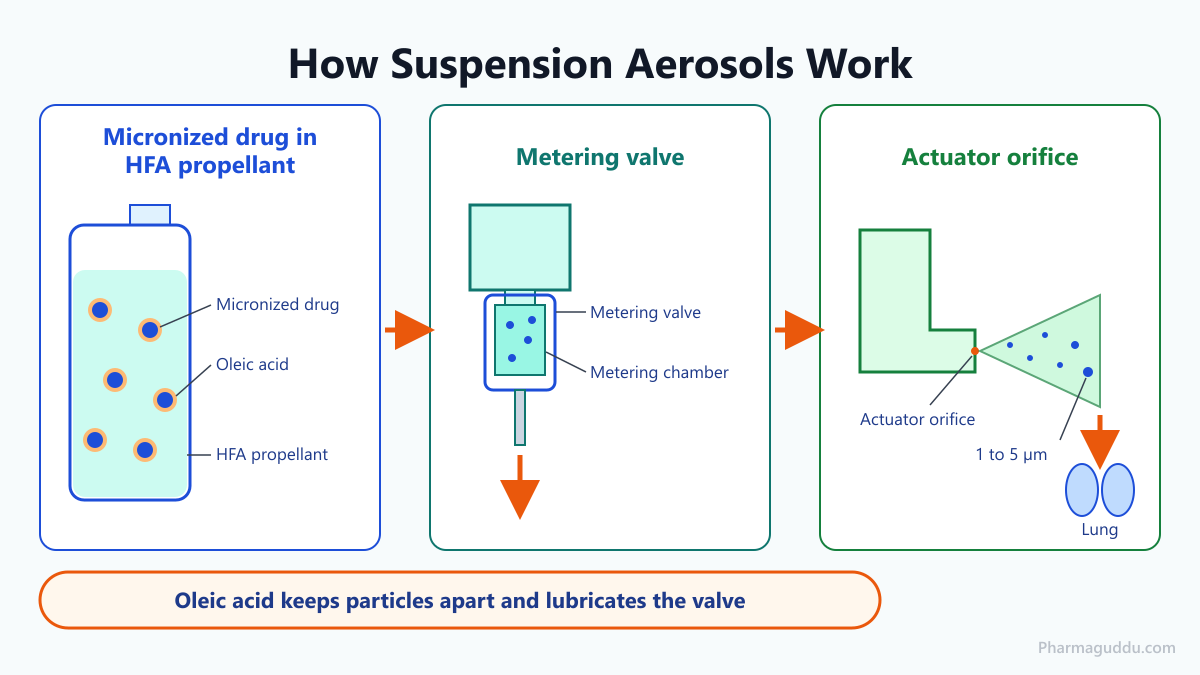
How suspension aerosols are formulated and filled: particle size for the lung, the role of oleic acid, and the causes of valve clogging and dose variation.
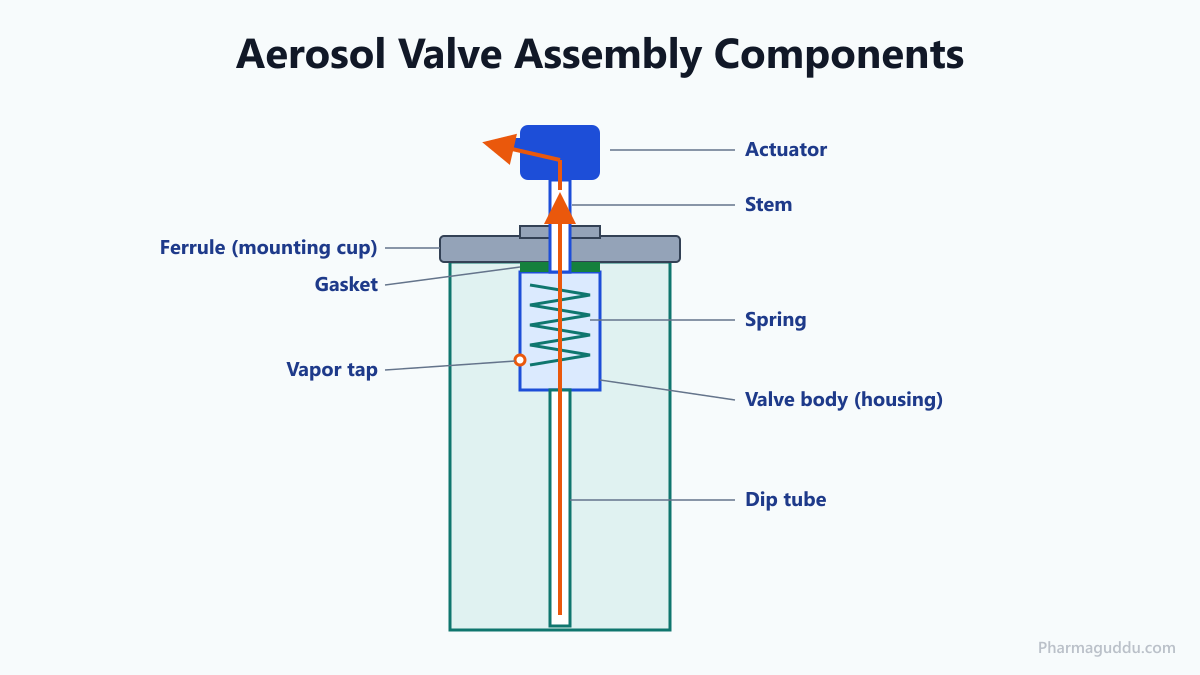
A part-by-part guide to the aerosol valve: ferrule, valve body, vapor tap, metering valve, dip tube and actuator, with functions and troubleshooting.
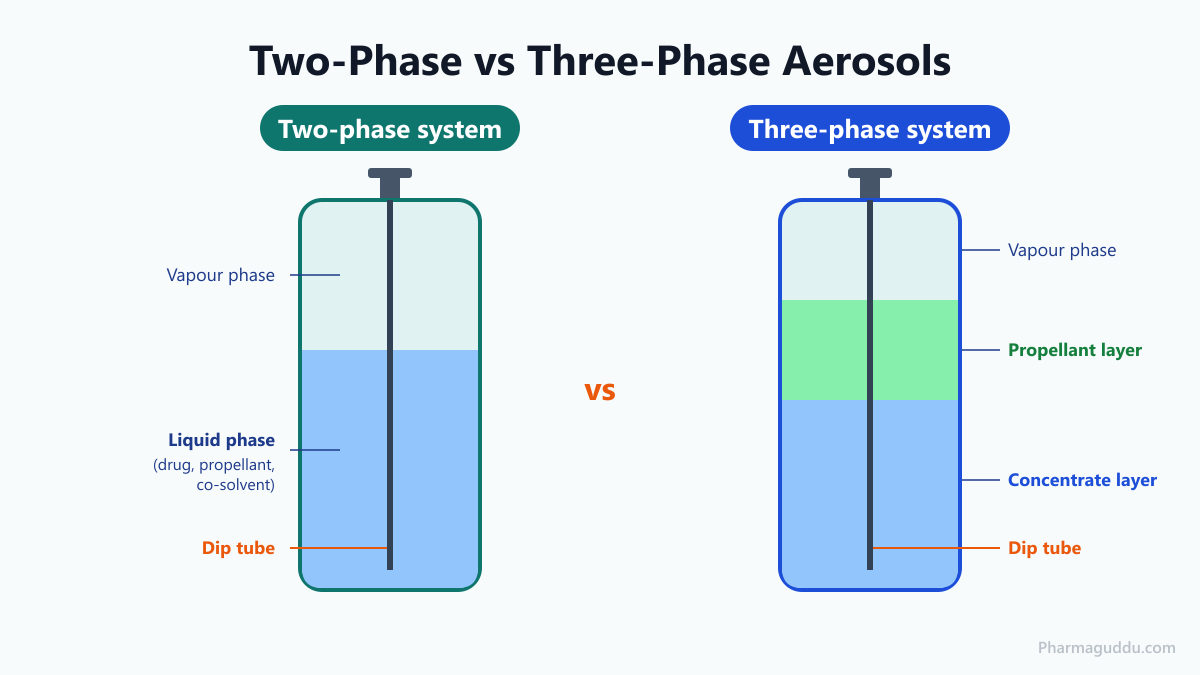
How two-phase and three-phase aerosol systems differ, with the role of solvent and propellant in water-based, foam and inhalation products.
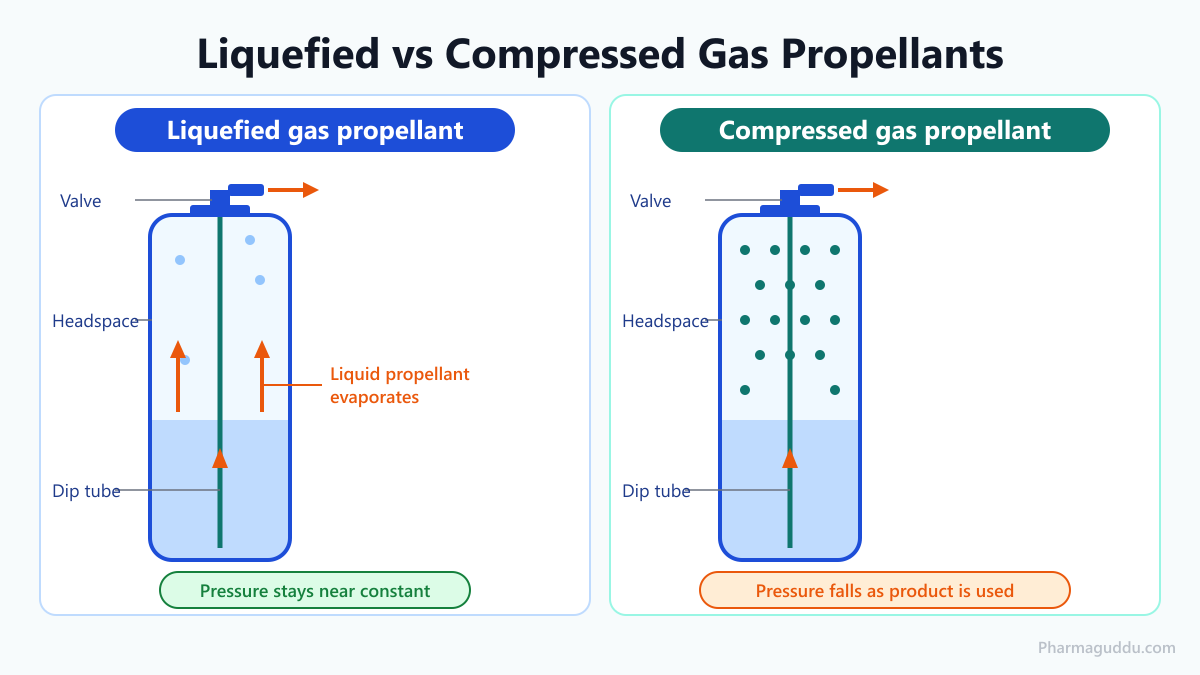
How liquefied and compressed gas propellants work, why CFCs were replaced, and how hydrocarbons, DME and HFAs compare on flammability and medicinal use.
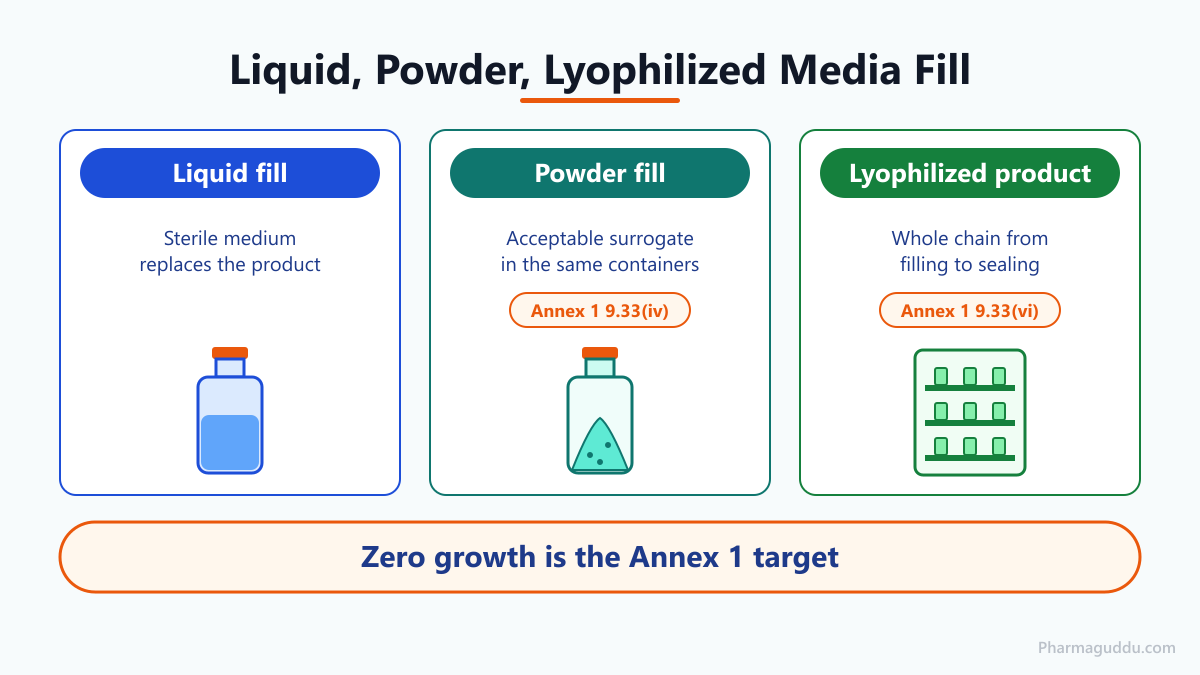
How to design an aseptic process simulation for sterile powders, freeze-dried products, isolators and RABS under EU GMP Annex 1 and FDA guidance.
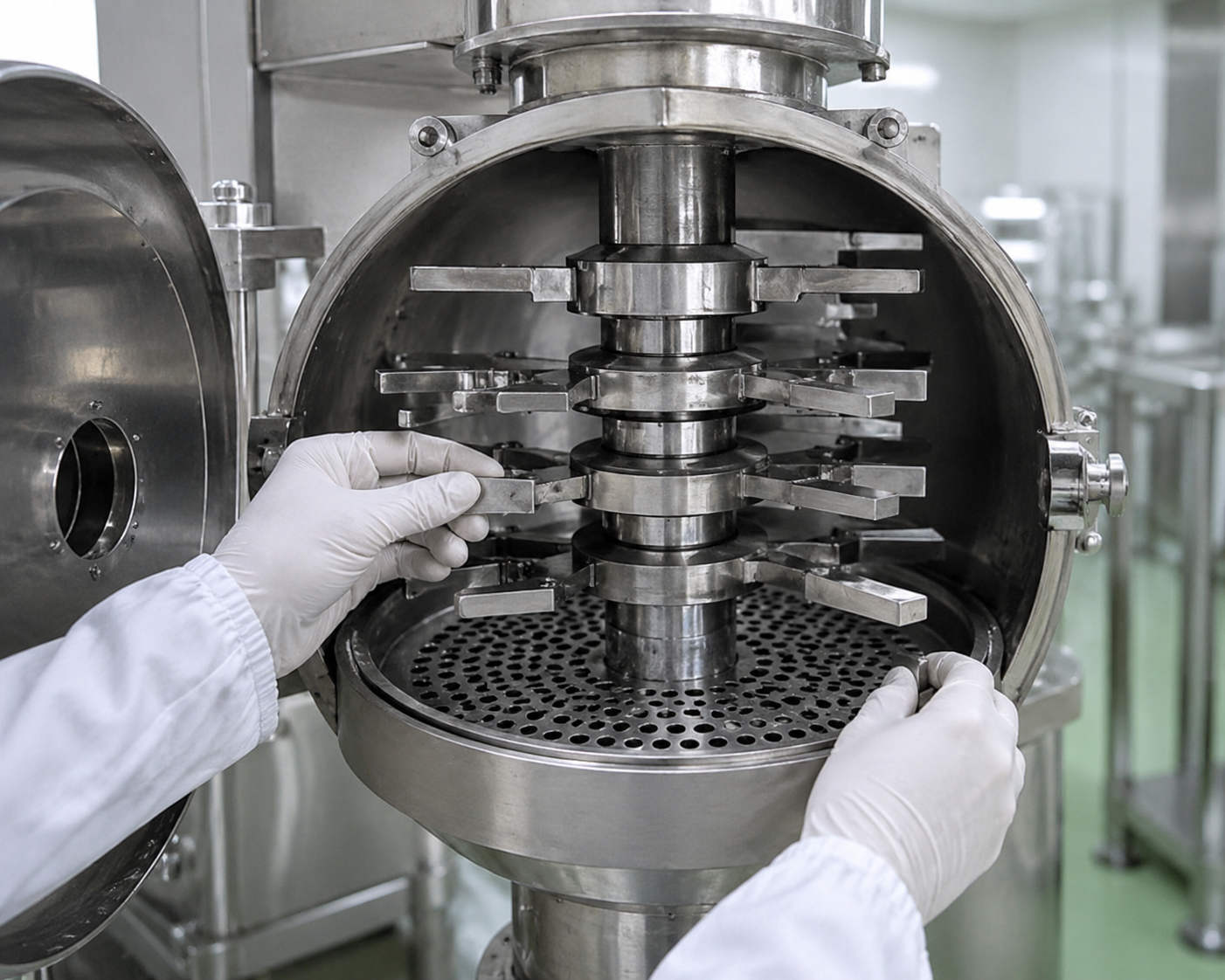
Most of the causes of multimill malfunctions such as oversized granules, excessive fines, screening problems, or motor overloads are related to blade dullness, incorrectly sized screens, or improper feed rates. In this article, you will find 8 failure modes with their potential causes and solutions for your pharmaceutical granulation process.
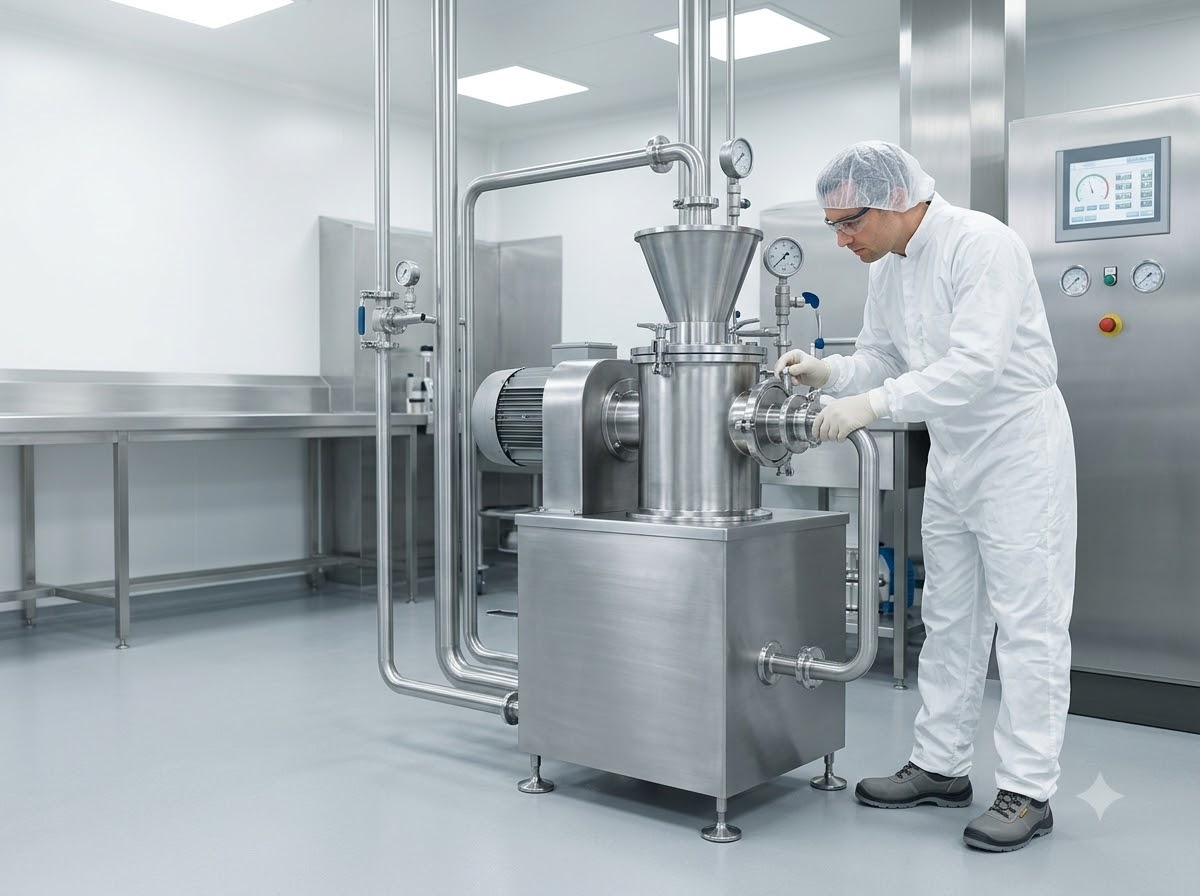
Even a well-maintained colloidal mill experiences recurring issues that lead to malfunction eventually, and usually, there are only several common causes for that: the gap drift, rotor/stator wear, improper feed rate, or a faulty mechanical seal. Moreover, preventing the issues from arising is significantly simpler and less resource-consuming than addressing them after they occur. For … Read more