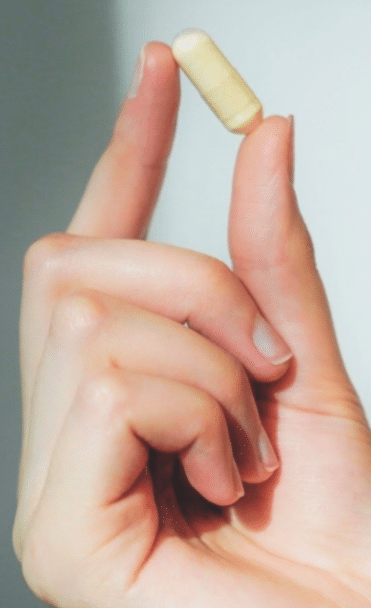
Powders; Types, Advantages, and Disadvantages
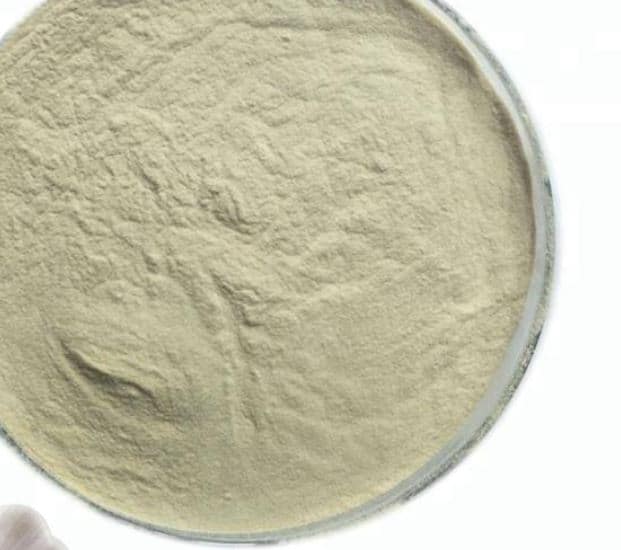
pharmaceutical powder and aids

Pharmaceutical powders are solid dosage forms of medicament in which one or more drugs are dispensed in a finely divided state with or without excipients. they are generally available in crystalline or amorphous form. It is used internally and externally. Types of Powders A) Divided Powder: It is a unit dosage form that is normally … Read more
Fluidized bed dryer (FBD): Principle, Working, Troubleshooting, and Components

FBD refers to a Fluidized bed dryer that is commonly used in the pharmaceutical industry to reduce the moisture content of pharmaceutical granules. It is the best technique used by the manufacturer to produce a good quality product. However, with time, new advanced techniques are introduced to replace old like; in case of FBD, a … Read more

BQS Machine Interview Questions and Answers

The BQS (Blister Quickly Through Servo) Machine is a part of pharmaceutical packaging, where it helps to aggregate unit doses into a blister form, also known as primary packaging. BQS uses continuous motion technology, enabled by flat sealing and flat forming, to achieve precision, power, speed, and position control. BQS machine Change Parts Principle of … Read more

3 Types of Tablets Manufacturing Process in Pharma

Today’s Countless tablets and pills are being produced worldwide by using different methods. Choosing an appropriate method for formulation depends on the types of materials that are going to add while making granules, For example for some heat-sensitive materials, Generally, Direct compression method is used. Below is a detailed discussion on Different types of tablets … Read more

Blister Defects and Remedies in Pharmaceutical

Blister Film is a plastic processing technique that involves heating a flat plastic sheet, applying a vacuum to mold a surface, and then cooling the mold before filling it. This technique is widely used in plastic packaging, lighting, advertising, and decoration. However, issues related to the quality of blisters and defects in Pharmaceuticals may arise … Read more

Metal Detector Challenge Test For Tablet Compression

A Metal detector is used to find out and remove small pieces of ferrous, non-ferrous, and SS during tablet compression in pharmaceuticals. Many times, Such types of metal may be entered into the product during the process, for example, worm sieve wires. This is where the metal detector comes into the role to removes such types of … Read more

Inhalation Preparation | Aerosol | MDI and Standard Test

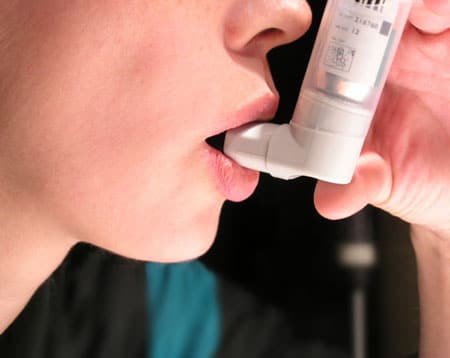
inhaler

Inhalation preparations, specifically Pressurized Metered-Dose Preparation (MDI) are liquid or solid dosage forms intended for administration as vapors or aerosols to the lung to obtain a local or systemic effect. They contain solutions or dispersions of one or more active ingredients that can be dissolved or dispersed in a suitable vehicle. Inhalation preparations intended to be administered … Read more

Types of Blenders used in Pharmaceuticals

v-cone blender

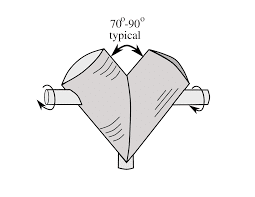
Blenders play a significant role in mixing ingredients in pharmaceuticals. Choosing the right types of blenders is crucial, so we select specific blenders among the different types available for use in pharmaceutical manufacturing according to our requirements. Blenders are used in pharmaceuticals after the granules manufacturing in the production section. Granules are mixed with different … Read more

Restricted Access Barrier System (RABS) in Pharmaceutical

Restricted Access Barrier System

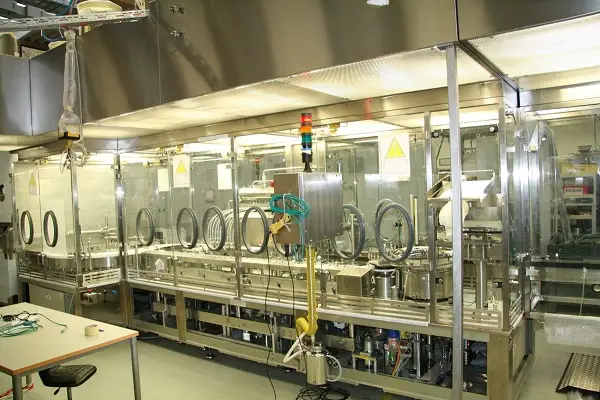
The Restricted Access Barrier System (RABS) enhances product control but reduces operator communication in aseptic manufacturing. The main aim of the RABS in pharmaceutical products is to ensure they are free of all contamination risks. During the early 1990s, new systems were developed to help sterile pharmaceutical manufacturers ensure contamination-free sterile products at a very … Read more

Injectable | Parenteral | Sterile Preparations, types, Standard test

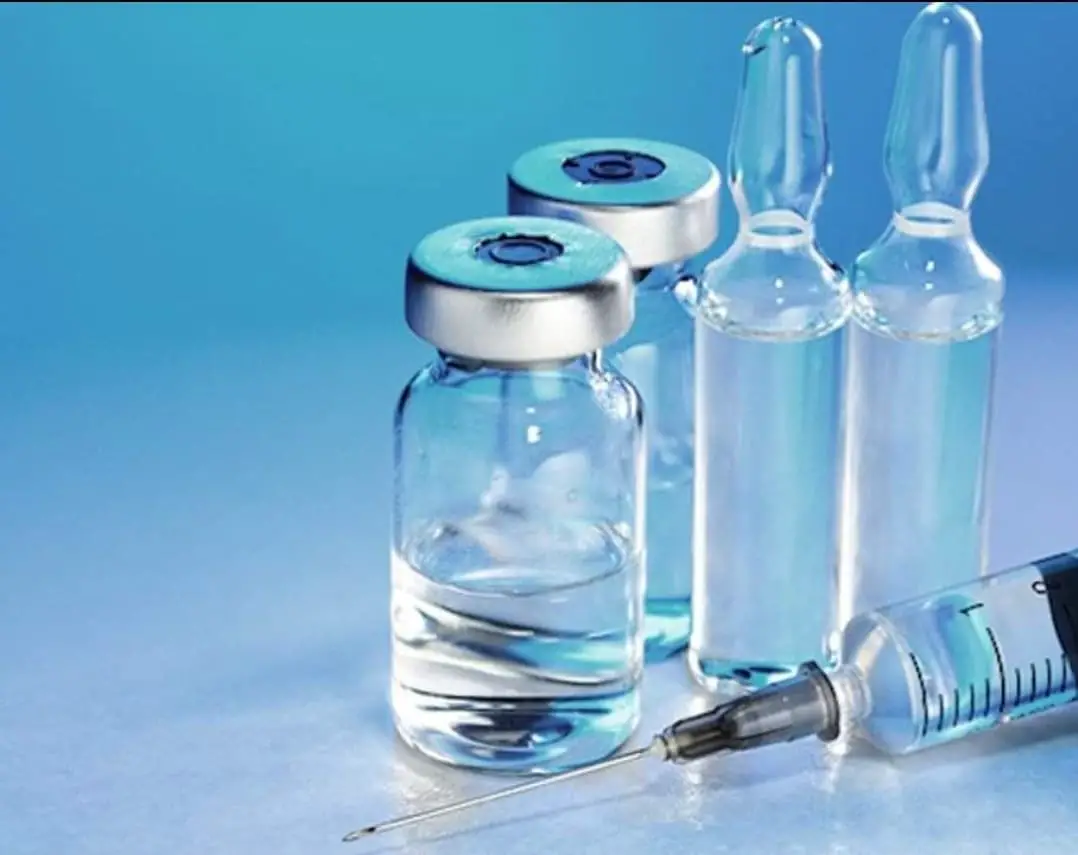
Injectable preparations, also known as parenteral preparations, are sterile formulations used for parenteral infusion or implantation. They are administered by injection to maintain sterility and prevent contamination by foreign matter, pyrogens, microorganisms, and bacterial endotoxins. These preparations must be made using methods that ensure sterility. Water for injection (WFI) is commonly used as a vehicle … Read more

Tablet Excipients used In Pharmaceutical Manufacturing

binder-and-adhesive- tablet-excipients

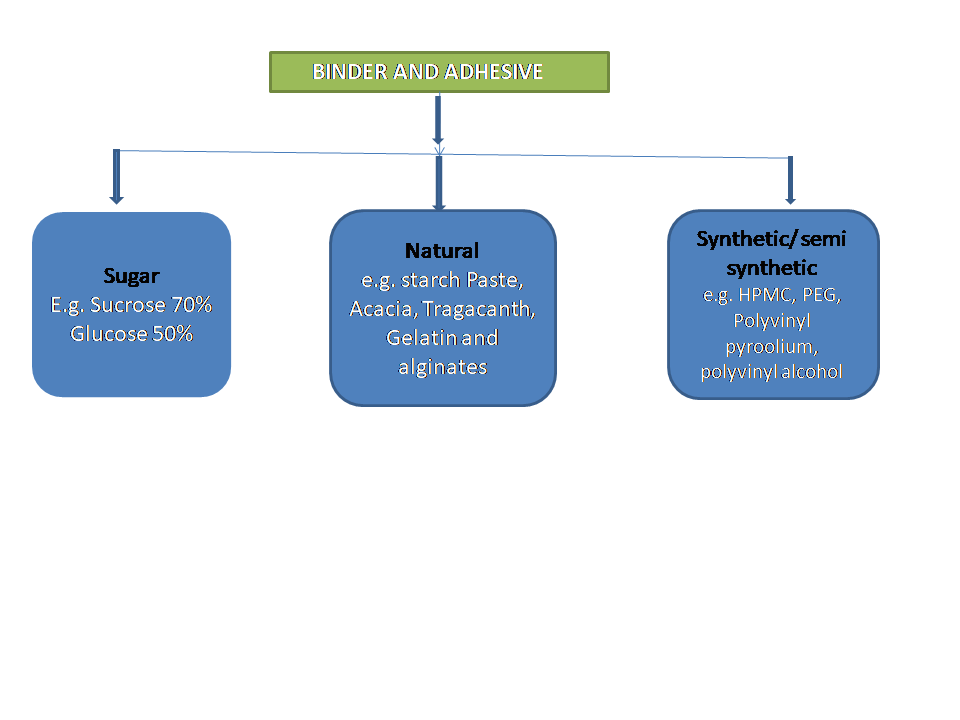
Tablet excipients generally have no medicinal properties, although excipients are used to fill the drug’s bulk mass. Excipients also facilitate sustaining the drugs for a long time and help increase bioavailability in systemic absorption. Excipients might help in disintegration, lubrication, masking the test, and tablet hardness. The different types of Tablet excipients are explained below with … Read more

Capsules, Types, and Formulation (Complete guide)

capsule image

A capsule is a type of Unit dosage form in the pharmaceutical industry. It consists of small, cylindrical components made of either soft or hard gelatin, filled with a powder or liquid. Capsules are taken orally and are designed to release their contents after swallowing. They are commonly used for medications intended to be absorbed … Read more