SOP on Withdrawal, Storage, Observation & Destruction of Control Sample
Learn about SOP on withdrawal, storage, observation & destruction of control sample says you withdraw control samples from each batch under manufacturing.

Learn about SOP on withdrawal, storage, observation & destruction of control sample says you withdraw control samples from each batch under manufacturing.
1.0 OBJECTIVE: This procedure outlines the steps for receiving and Handling of Laboratory Samples. 2.0 SCOPE: This standard operating procedure pertains to the receipt and Handling of Laboratory Samples. 3.0 RESPONSIBILITY: The Quality Control Executive/Microbiologist is responsible for the implementation of this SOPThe Assistant Manager QC and/or QA Manager are responsible for Overall compliance with … Read more
OBJECTIVE: To establish a procedure for action to be taken where critical parameters exceed acceptable limits within the purified water system. SCOPE: This Standard Operating Procedure applies to the generation and distribution of purified water systems. RESPONSIBILITY: Officer, Executive – Engineering Department.Head – Engineering Department for overall compliance to this SOP. ACCOUNTABILITY:Head of Engineering PROCEDURE: … Read more

Pharmaceutical incompatibility is defined as any unwanted interaction of two or more drugs that results in a significant change either in the physical, chemical, or therapeutic behavior of drugs. The change can also result in an undesirable product which might affect the safety, efficacy, appearance, and stability of the product. Incompatibility can occur during compounding, … Read more
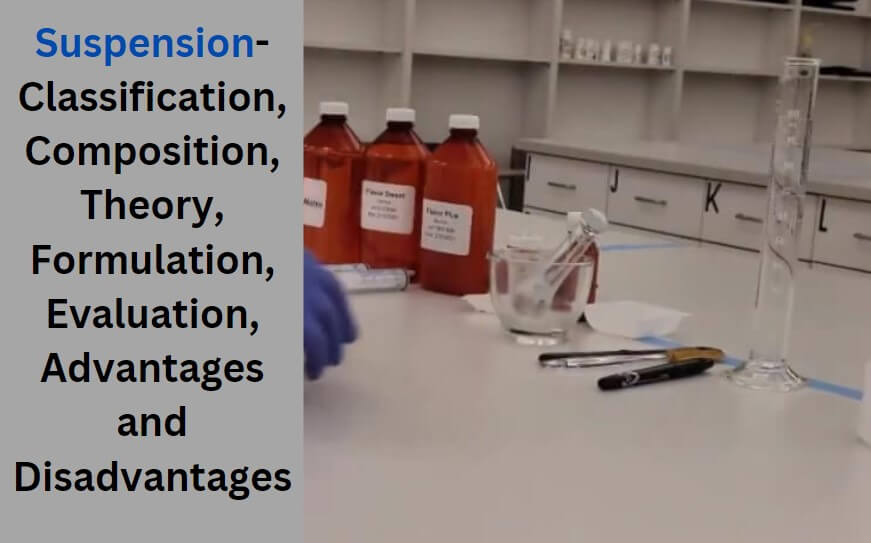
Learn About Pharmaceutical Suspension- Classification, Composition, Theory, Formulation/Preparation, Evaluation, Types, Advantages, and Disadvantages. Definition: Pharmaceutical Suspension is a biphasic system that consists of solids finely dispersed into a liquid medium. It is a coarse dispersion in which the active ingredient as the internal phase is dispersed uniformly throughout the external phase with the help of … Read more
Name: How to Preparare and Standardization of 0.1 M Disodium Edetate (EDTA Ingredients : 1. Disodium Edetate. 2. Calcium Carbonate 3. Eriochrome black – T 4. Ammonia – Ammonium Chloride Buffer pH10 (Mix 5.4 grams of NH4Cl + 35 milliliters of 10M NH3 solution & dilute to 100 milliliters with water.) 5 Hydrochloric Acid. How … Read more
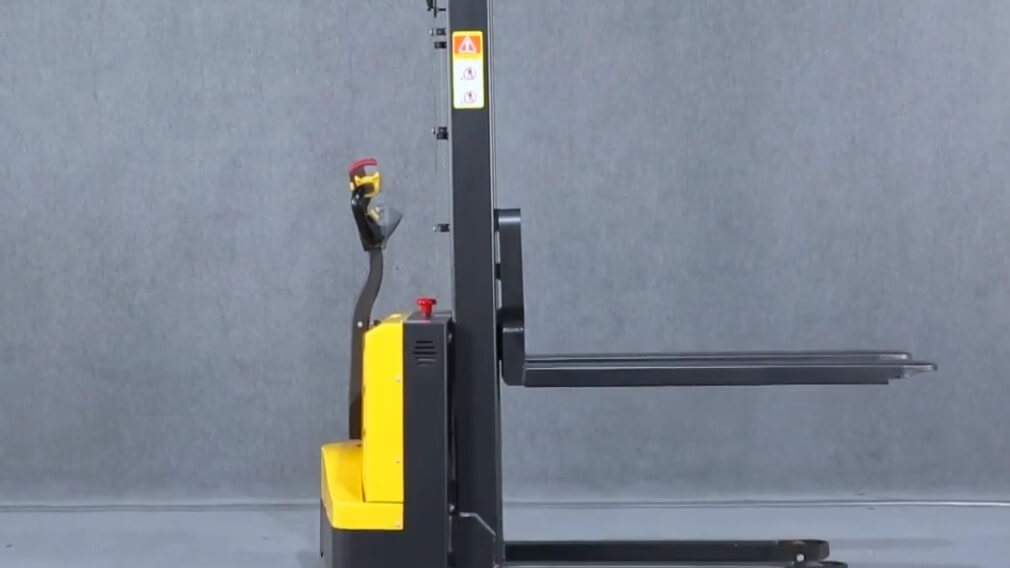
1.0 OBJECTIVE: To design, engineer, and supply of Electric Stacker (Model: Modal name) and provide assurance that the machine is manufactured as per the URS and complies with CE recommendations. 2.0 SCOPE: The scope of this qualification document is limited to the Design Qualification of the Electric Stacker (Model: Modal name) for “Company Name and … Read more
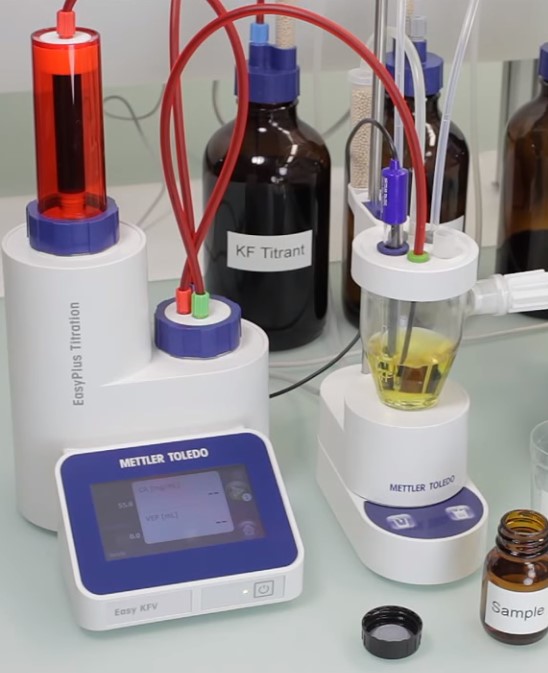
Aim: To provide Procedure on Operation And Calibration Of Karl Fischer Apparatus.Objective: This standard operating procedure explains how to use and calibrate the Karl Fischer apparatus.Responsibility: Chemist/Executive Q.C. for following this procedure.Accountability: The Manager of Quality Control is accountable for overall compliance with this SOP. Procedure: Cleaning Related SOP: SOP for Analysis and Release of … Read more

1.0 Aim: Procedure for Analysis and Release of Packaging Materials 2.0 Purpose: This standard operating procedure outlines the procedure for analyzing and releasing packaging materials at [company name]. 3.0 Scope: This procedure applies to the quality control laboratory and covers the analysis and release of packaging materials. 4.0 Responsibility:QC Analyst: Responsible for analyzing packaging materials.QC … Read more
Aim: To prepare and standardize 0.5 M sulfuric acid (0.5 M H2SO4). Principle: 1. This is carried out by aqueous acid-base titration based on a neutralization reaction. 2. This titration takes place between sulphuric acid (H2SO4) and sodium carbonate (Na2CO3). 3. Sodium carbonate, anhydrous is a primary standard substance that reacts with a secondary standard … Read more
Objective: The purpose of this experiment is to standardize 1.0 M Sulfuric Acid. Materials used for 1.0 M Sulfuric Acid: Equipment: Beaker, Funnel, Pipette, BuretteChemicals: H2SO4, Phenolphthalein solution, and Anhydrous sodium carbonate. Theory: Methyl orange is commonly used as an indicator in titrations. In an alkaline solution, methyl orange appears yellow and has the following … Read more
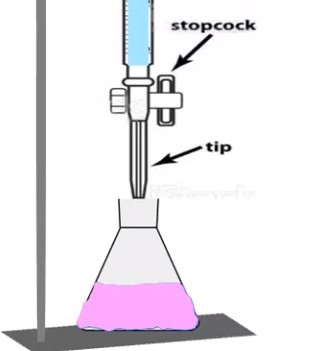
Preparation and Standardization of 0.1 M Sodium Hydroxide (NaOH) in the Laboratory. Reagents: 1 Sodium hydroxide 2 Potassium hydrogen phthalate 3 Phenolphthalein solution. Chemical Reaction Principle: In this process, we will directly measure the strength of potassium hydrogen phthalate by using sodium hydroxide. To find the endpoint, we’ll use phenolphthalein as an indicator. Let’s understand … Read more
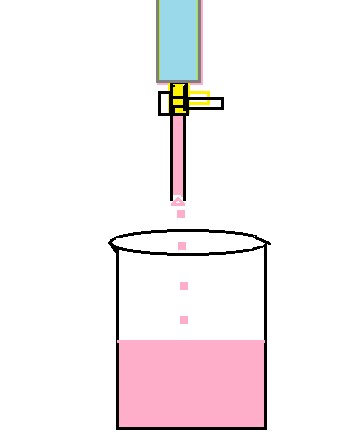
In this experiment, we will focus on the preparation and standardization of a 1 M Sodium Hydroxide solution. Molarity and How to Prepare 1 M NaOH with Example: Example for factor calculation for standardization of 1 m NaOH:Na=23O=16H=1Total= 40 gm. Reagents Required for Preparation and Standardization of 1 M NaOH: 1 Sodium Hydroxide 2 Potassium … Read more
Name: Preparation and Standardization of 1.0 M Hydrochloric Acid in Pharmaceutical Laboratory. Reagents: Use the following reagents to prepare and Standardization of 1.0 M Hydrochloric Acid: 1 Hydrochloric Acid. 2 Anhydrous Sodium Carbonate 3 Methyl Red Method of Preparation of 1.0 M Hydrochloric Acid: To make 1.0 M hydrochloric acid, dilute 85.0 ml of concentrated … Read more
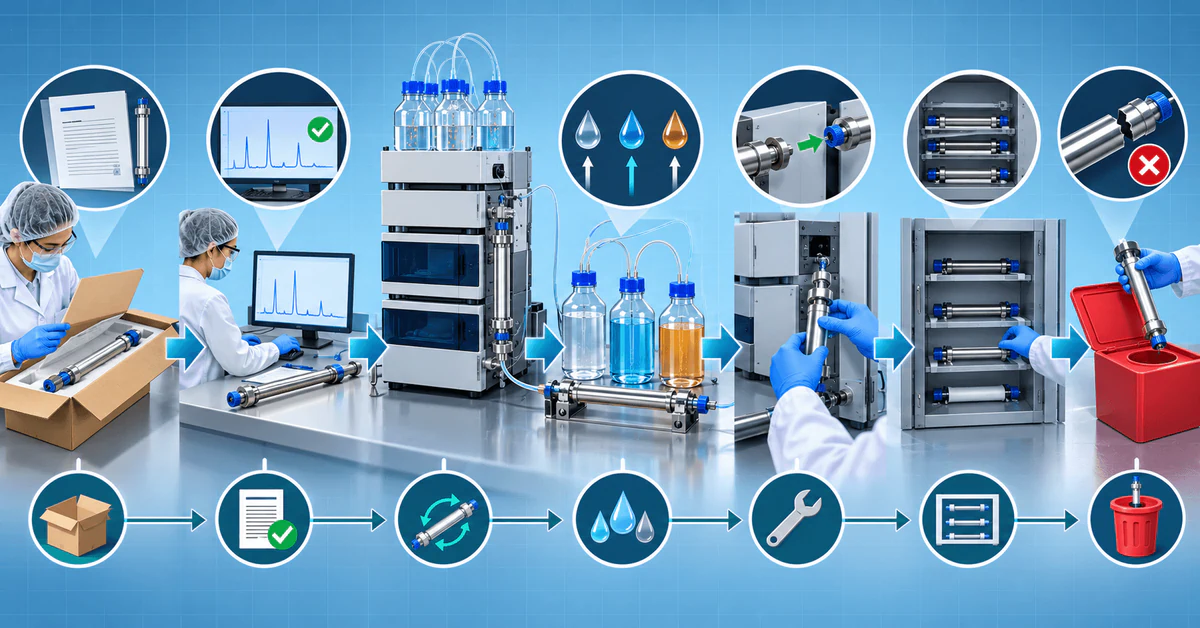
SOP for HPLC column cleaning and their maintenance: how QC receives, issues, regenerates, washes and withdraws HPLC columns, with the cautions that protect…
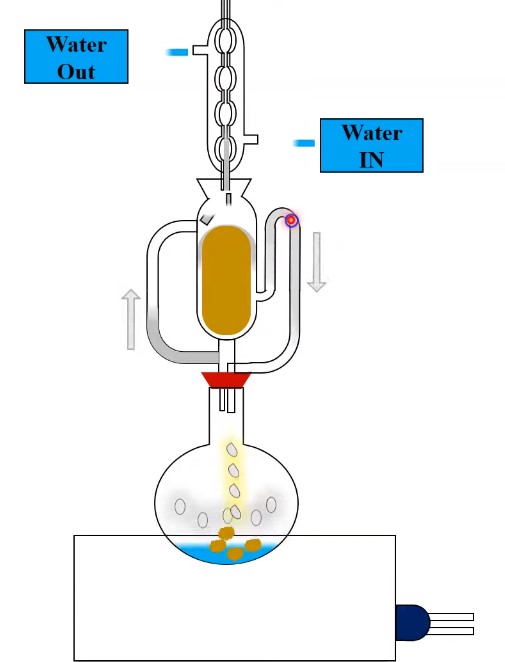
Definition: “Extraction involves using a liquid solvent to remove active constituents from a solid or liquid substance. Or The separation of medicinally active portions of plant or animal tissues from the inactive or inert components by using selective solvents.” The extraction process has the following stages: Some important terms Menstruum– The solvent used for extraction … Read more