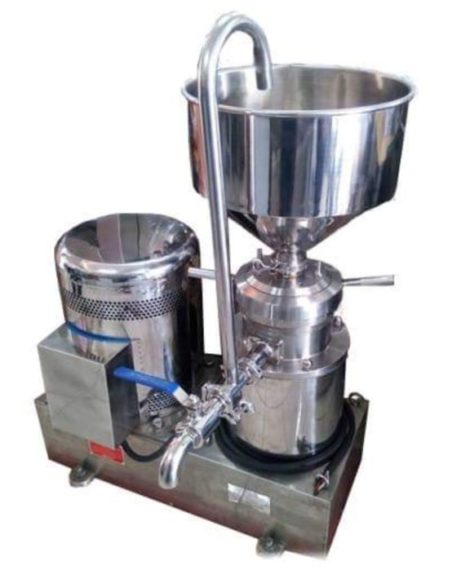
Colloid Mill: Working and Principle in Pharmaceutical Industry
Learn how a colloid mill works in pharmaceutical manufacturing — principle, components, process flow, troubleshooting, and maintenance explained.
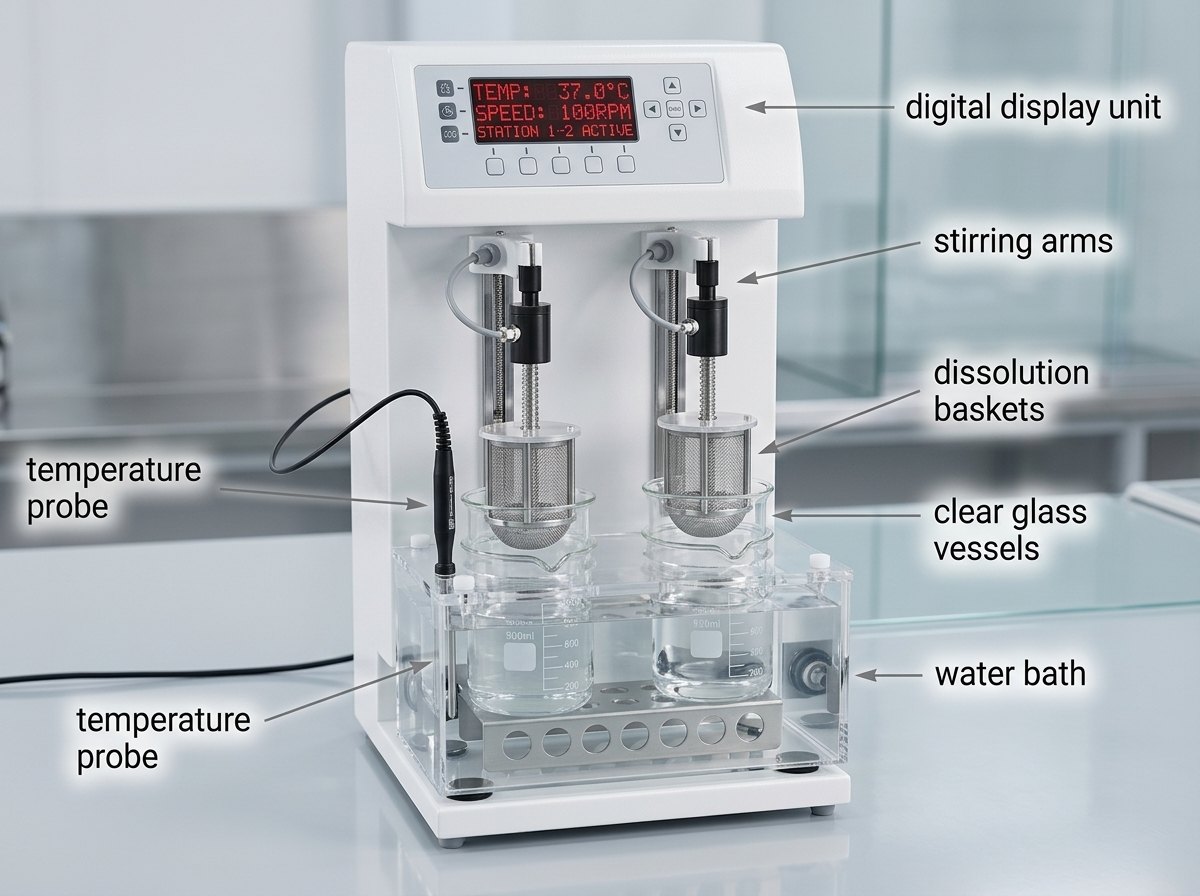
A disintegration test apparatus: a brief explanation of the diagram and main elements, as well as the mechanism of the disintegration process itself. Moreover, the present article describes apparatus types, discusses the disintegration test procedure, calibration requirements, and time limits according to USP, BP, IP, and Ph. Eur. – useful information for quality control analysts, production managers, and students who study the characteristics of medicinal forms and want to determine the disintegration time of tablets or capsules.
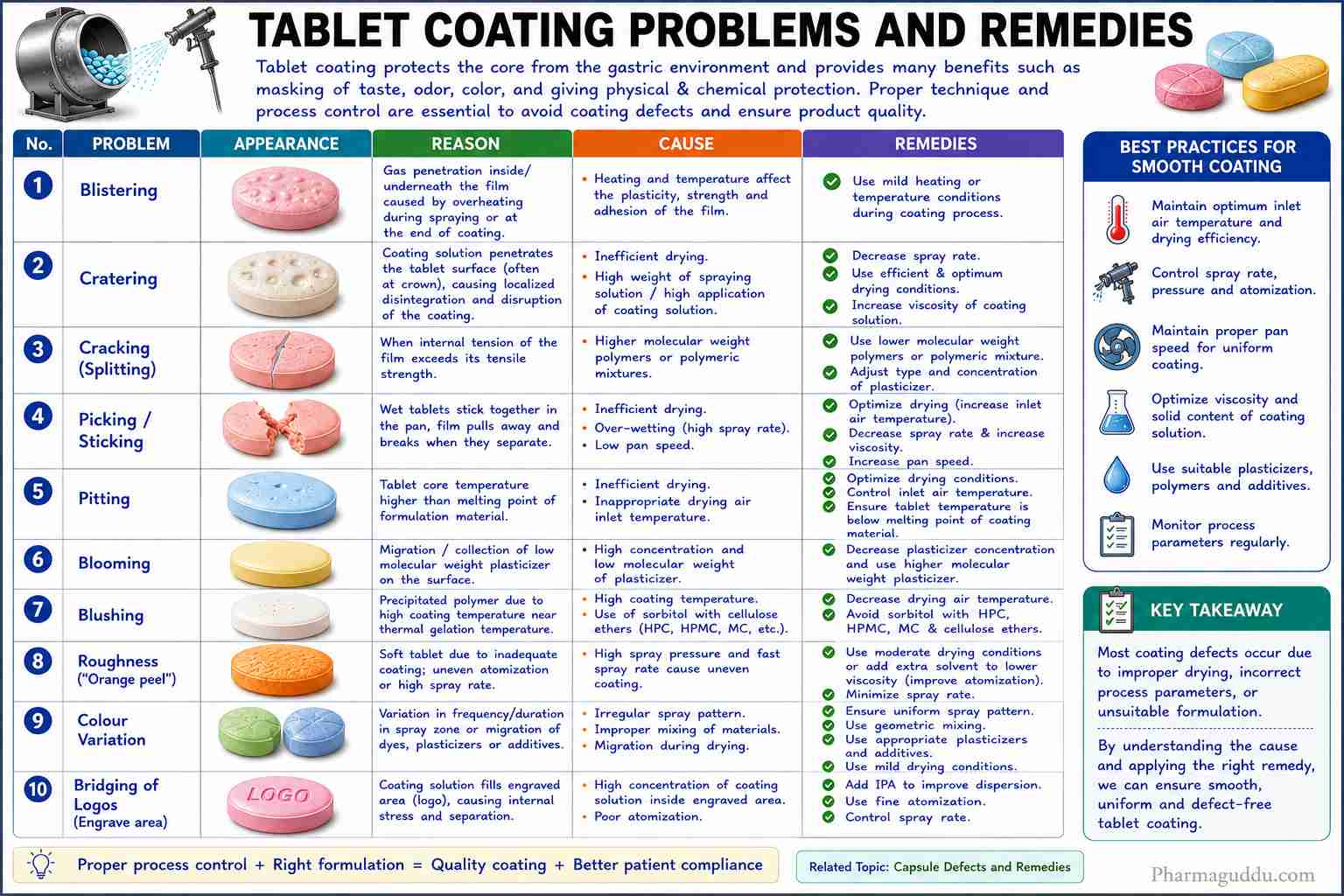
Tablet coating defects are a real headache in pharmaceutical manufacturing. When the coating process isn’t properly controlled, the consequences ripple through quality, appearance, and stability—sometimes all three at once. This guide breaks down the 10 most common tablet coating problems you’re likely to encounter: blistering, cratering, cracking, picking, pitting, blooming, blushing, roughness, colour variation, and logo bridging. For each one, we cover what’s actually causing it and what you can do to fix it—practical troubleshooting grounded in real manufacturing experience, not just theory.
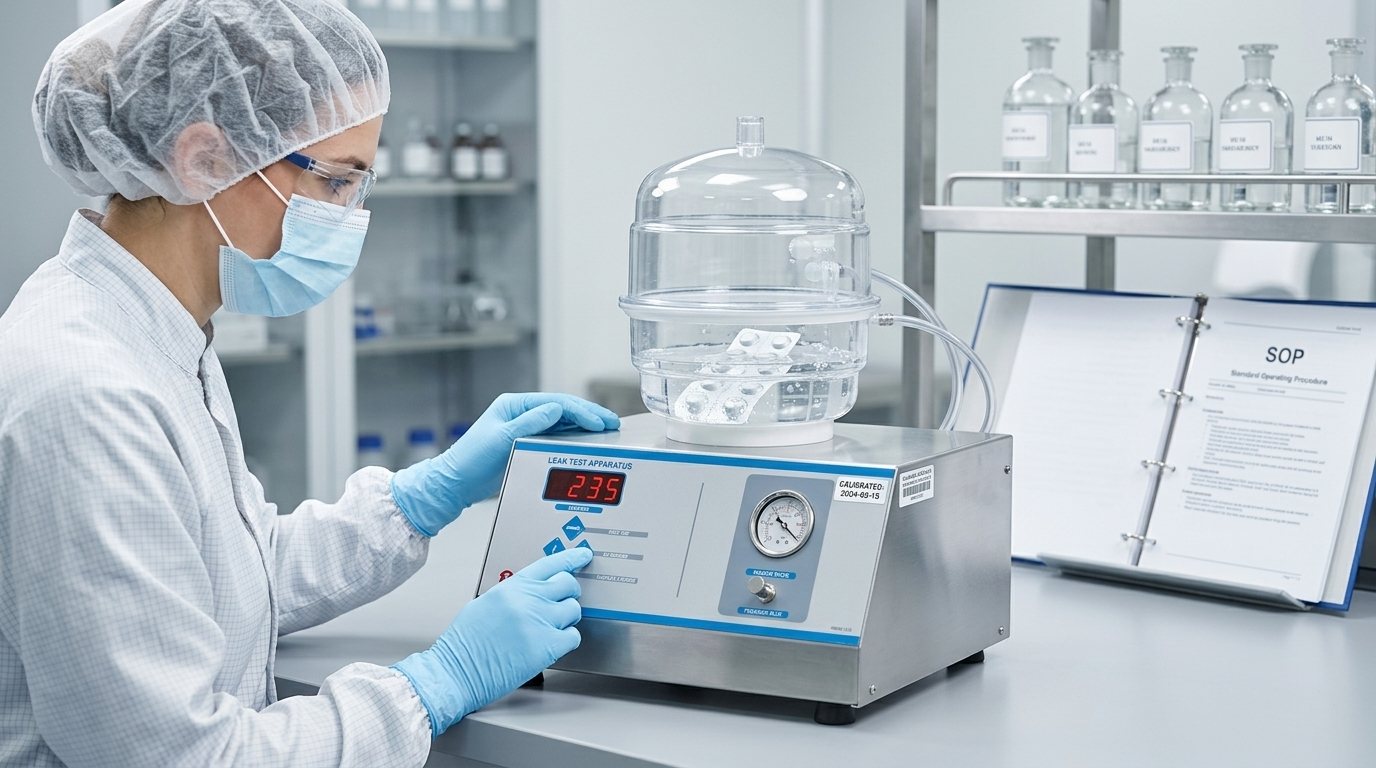
Learn how to use a leak test apparatus in pharmaceutical manufacturing. This guide covers everything from equipment operation and calibration to testing procedures, safety, documentation, and GMP compliance — so you can catch leaks accurately and keep product quality where it needs to be.
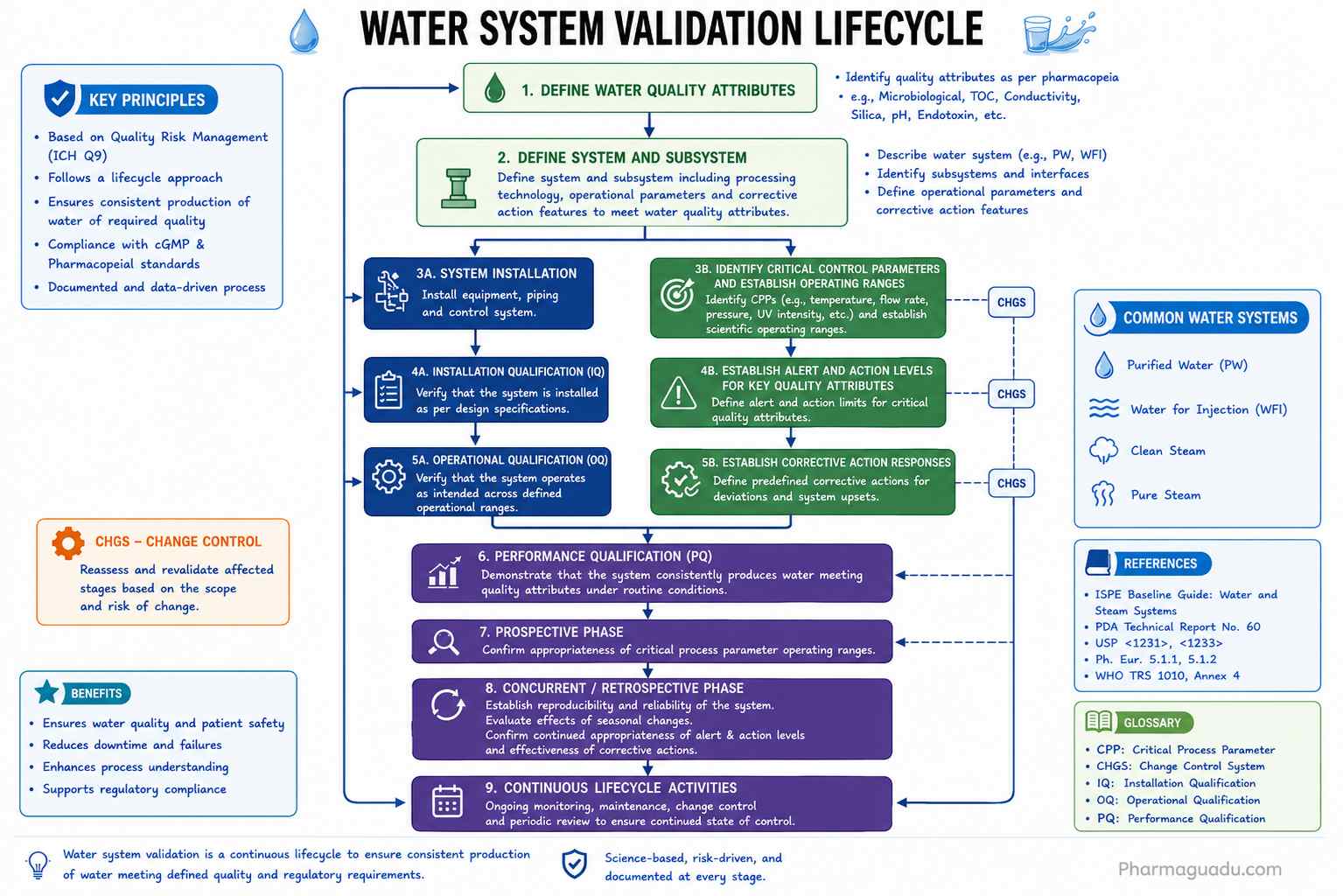
Understand water system validation in pharmaceutical manufacturing with a step-by-step overview of validation phases, qualification protocols, documentation, and ongoing GMP compliance in 2026.
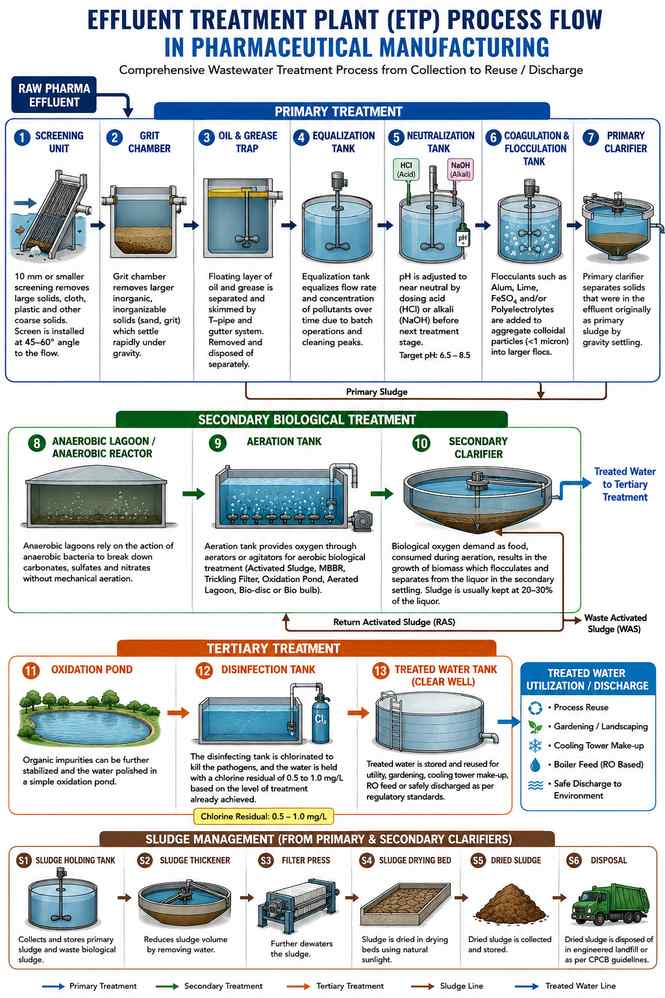
Effluent Treatment Plants (ETPs) in pharmaceutical manufacturing treat wastewater containing APIs, solvents, and high pollutant loads to ensure regulatory compliance and environmental protection.
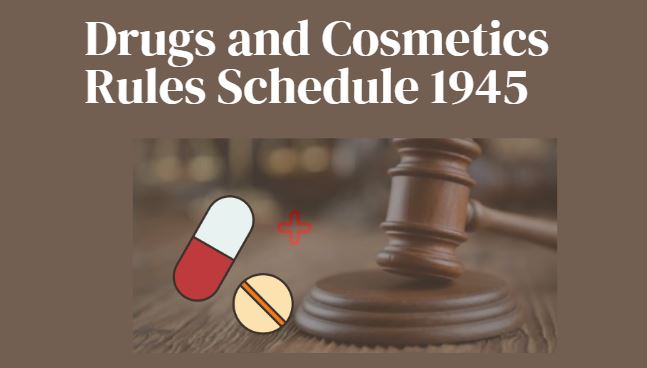
Quick Answer The Drugs and Cosmetics Rules, 1945 categorize drugs, cosmetics and medical devices under Schedules A to Y. Every schedule is for a particular purpose, application forms (Schedule A), lab fees (Schedule B), biological products (Schedule C), GMP for pharmaceuticals (Schedule M), GMP for ASU drugs (Schedule T), and labelling of narcotics (Schedule H, … Read more
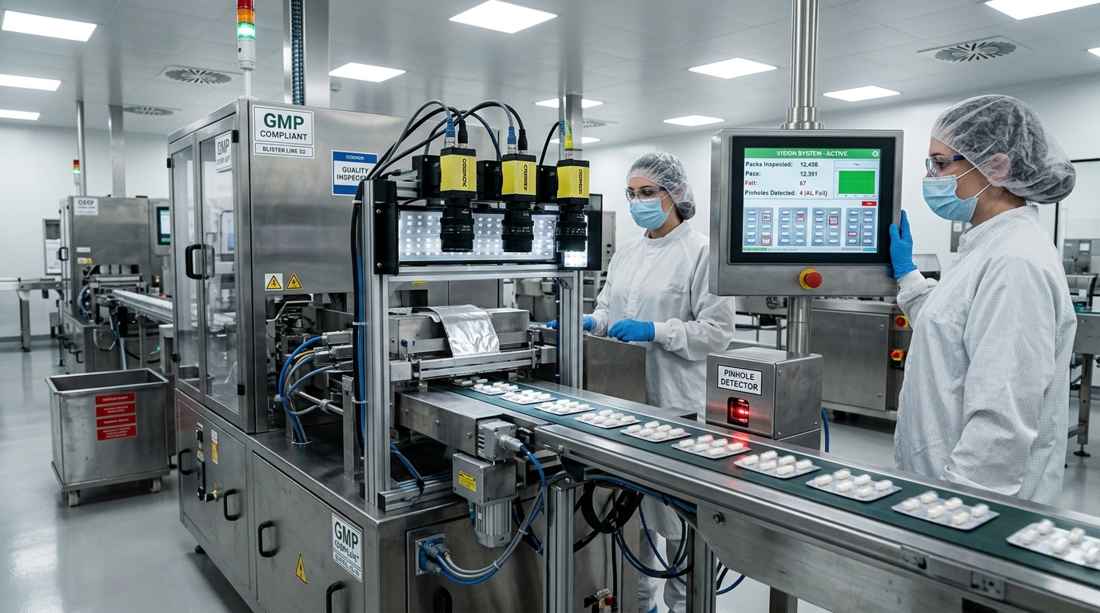
Standard Operating Procedure of Camera Vision System & Pinhole Detector-Setup, Operation, Challenge Testing, Cleaning & in the process Verification in Pharmaceutical Blister/ alu alu machine.
This guide will provide you the Standard Operating Procedure (SOP) for Cleaning and Sanitization of pharmaceutical manufacturing facilities. This SOP includes the objective, scope, responsibility/scope of work, safety precautions for cleaning different zones with their cleaning and sanitization frequency/cleaning agents used/approved & documentation requirement along with its annexure does help maintain GMP compliance as well as avoid contamination prevention & hygienic production environment.
Training of employees is one of the key aspects of pharmaceutical GMP compliance, as it ensures that employees possess the necessary knowledge, skills, and competency to perform their tasks effectively. This is an SOP Training of Personnel, which covers the induction training, departmental training, SOP training, evaluation, qualification and periodic retraining.
Understand ALCOA, ALCOA+, and ALCOA++ in pharma. GMP data integrity principles, FDA & EMA 2026 expectations, audit trails, and inspection-ready compliance explained.
Learn about Standard Operating procedures on Solid Flow Monitor Test to check the integrity of FBD bags, including Purpose, Scope, Responsibility, Procedure, Precautions, and Format
A practical guide to cleaning method validation in pharmaceutical manufacturing covering FDA expectations, GMP compliance, swab sampling, limits, protocols, and validation steps.
Learn how pharmaceutical serialization works in 2026, including DSCSA and EU FMD compliance, EPCIS data exchange, VRS, and global deadlines for track and trace
Pharma Packing Questions for the Interview with answers for freshers and experienced professionals. Learn GMP packaging, reconciliation, line clearance, and compliance.
Learn the SOP for calibration of weighing balance (trolley balance) in pharmaceutical manufacturing, including calibration procedure, acceptance criteria, frequency, documentation, and GMP compliance requirements.